

Products
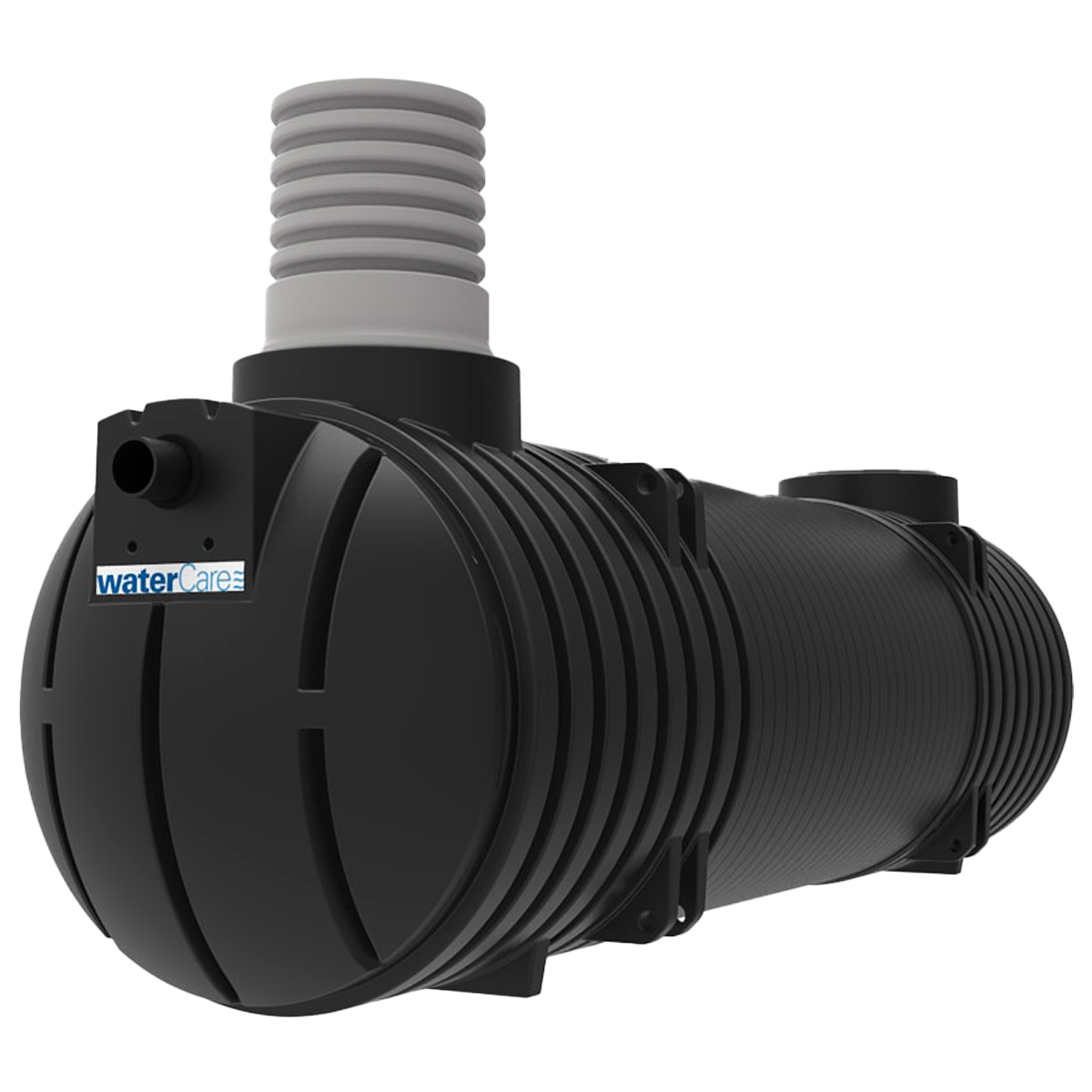
The function of a grit trap is to remove sand and coarser particles, as the heavier particles sink to the bottom when the wastewater passes the grit trap. It is the municipality that decides which installations are required in front of the grit trap.
Plant sizes
Grit traps are typically sized according to water volume, particle content and desired emptying frequency. Smaller grit traps start at 600 liters and are used, for example, in residential areas and small commercial areas. For larger installations, such as industrial areas and road construction, grit traps of 7,000–10,000 liters and above are delivered. They can be integrated into oil or grease separators and pump wells or function as pre-treatment before rainwater systems, infiltration systems or separators. We also offer systems for +100 l/s and help ensure correct placement, maintenance and sizing.
Sizing and adaptation
The sand trap is adapted to the specific water load and installation type – regardless of whether it is for roof water, road water or process water. We assess flow, sedimentation times and desired emptying interval and then select the optimal size and shape. The system can be established freestanding or as an integrated part of other solutions. Our experience ensures that the sand trap works efficiently and requires minimal maintenance and fits your needs.
CE marking and legislation
There is no European standard for CE approval of sand traps, but WaterCare always produces our sand traps according to applicable standards and guidelines so you can be sure that the system is functional. We ensure that the system meets requirements for hydraulic capacity and particle separation according to municipal regulations and guidelines. At the same time, we advise on correct location and access conditions for easy emptying and operation.