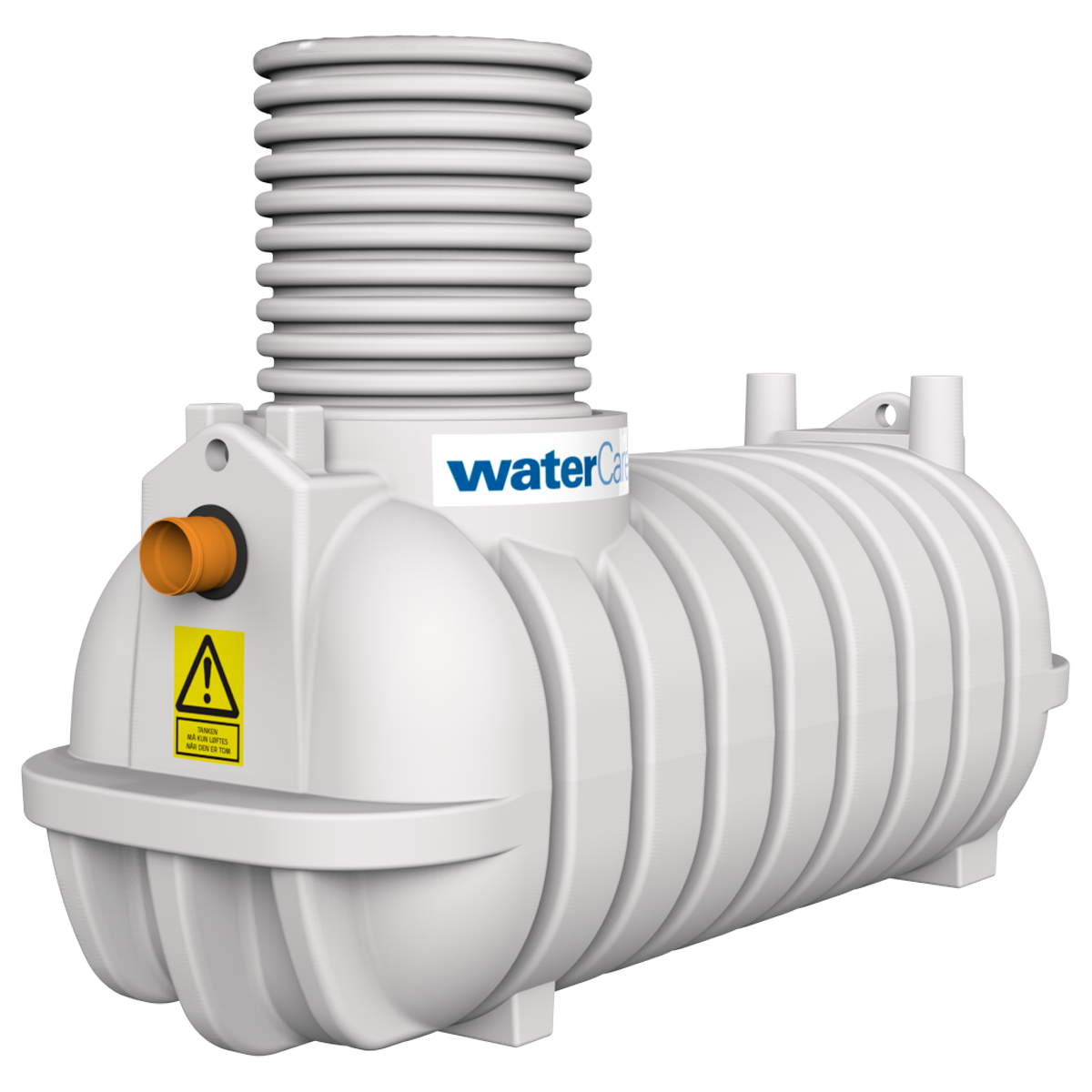
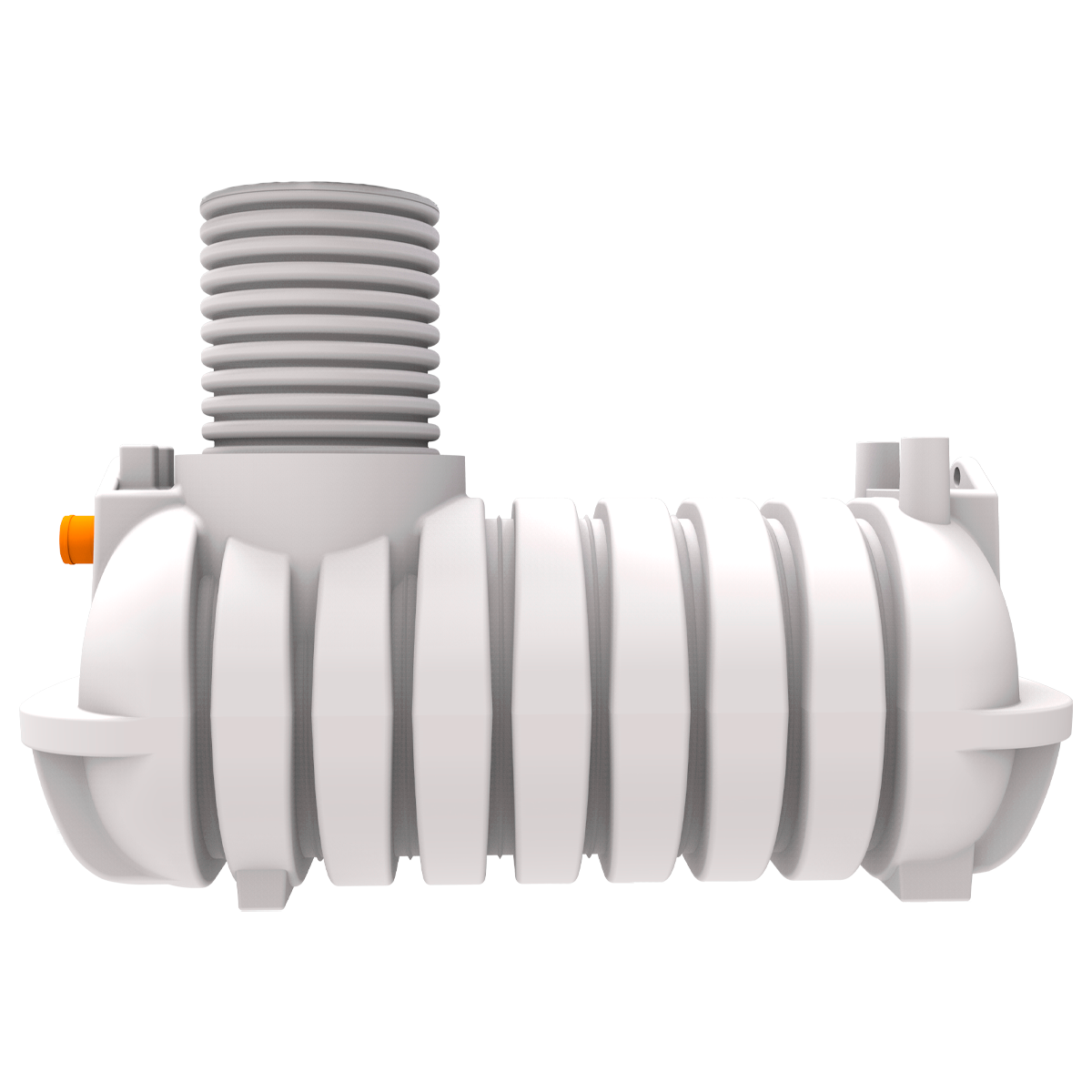
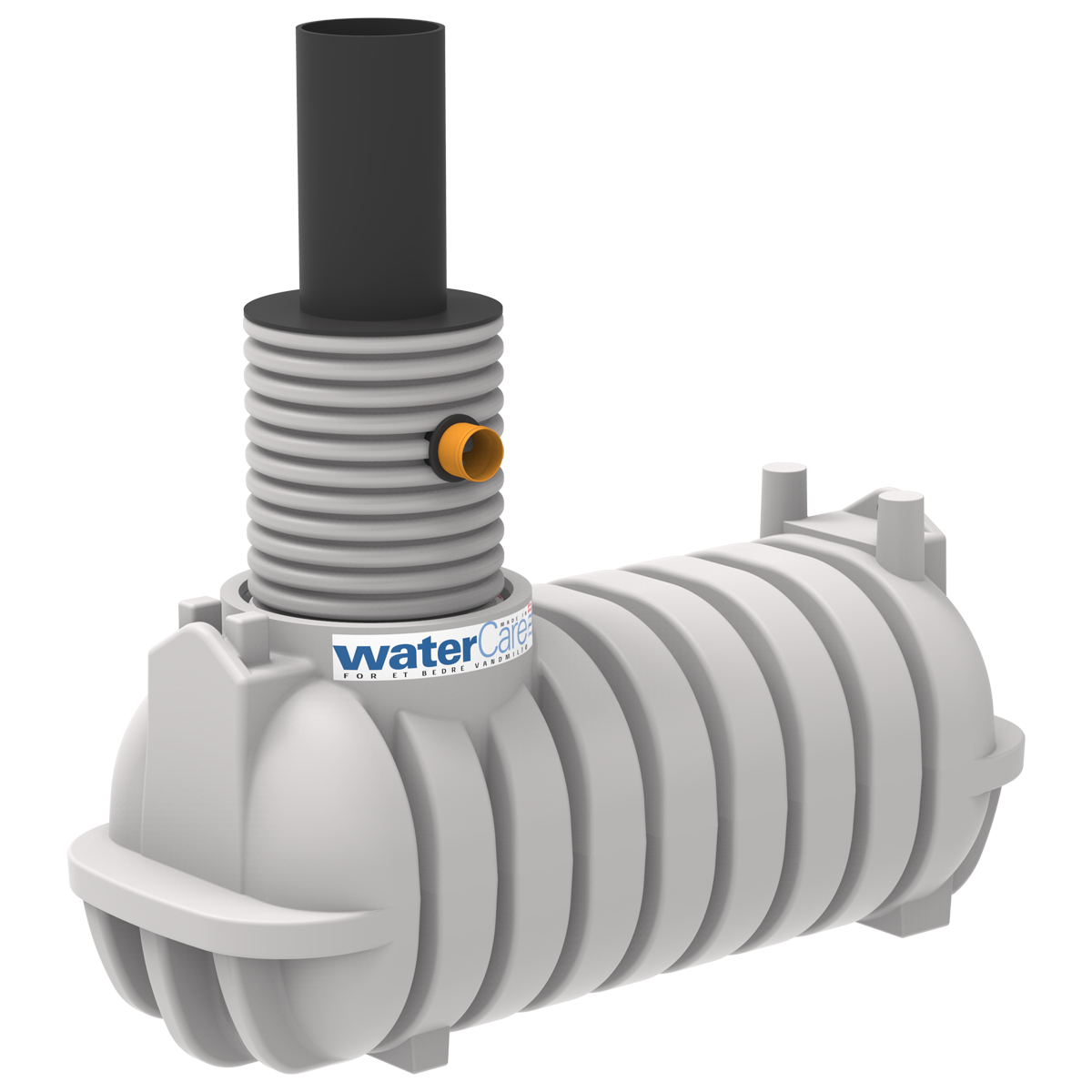
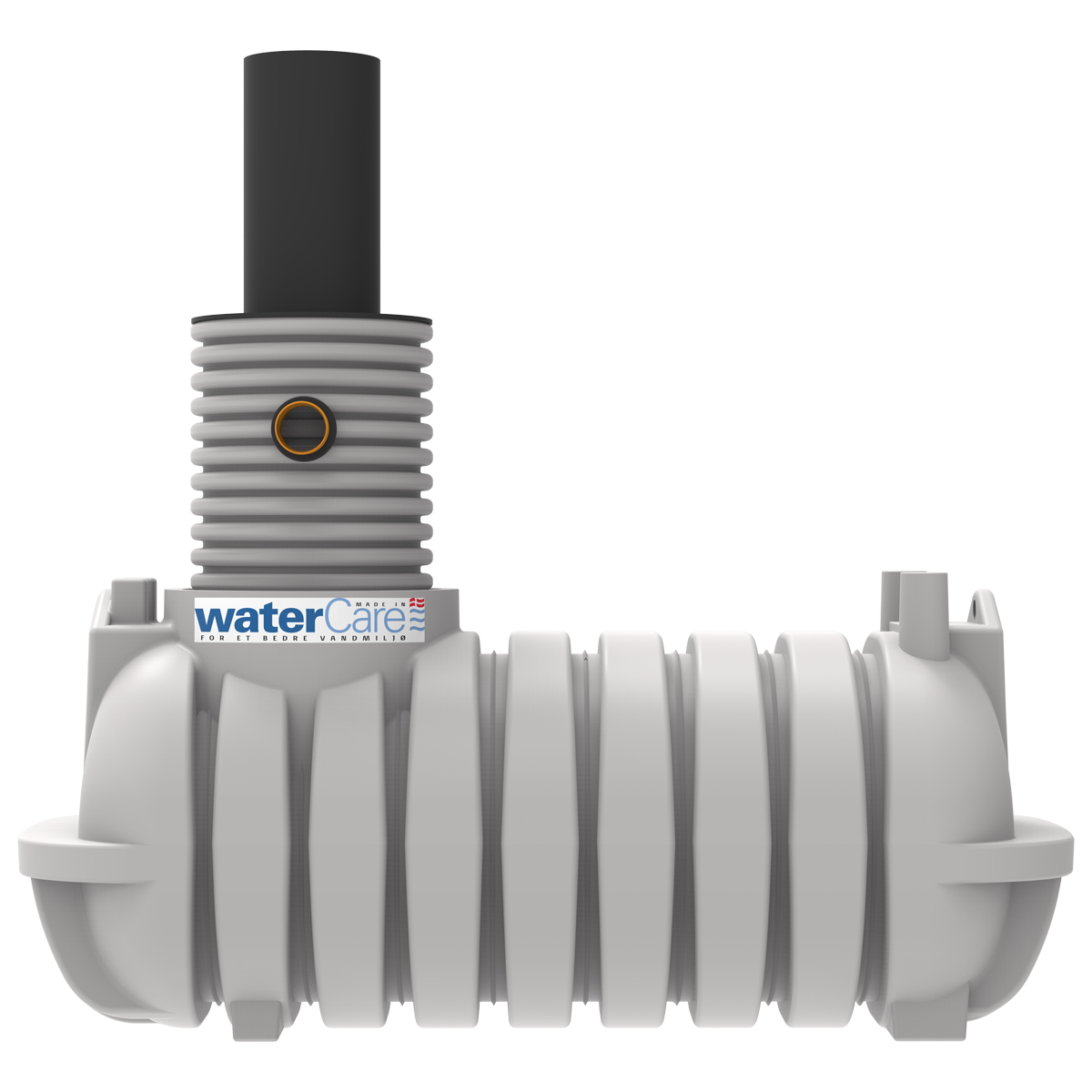
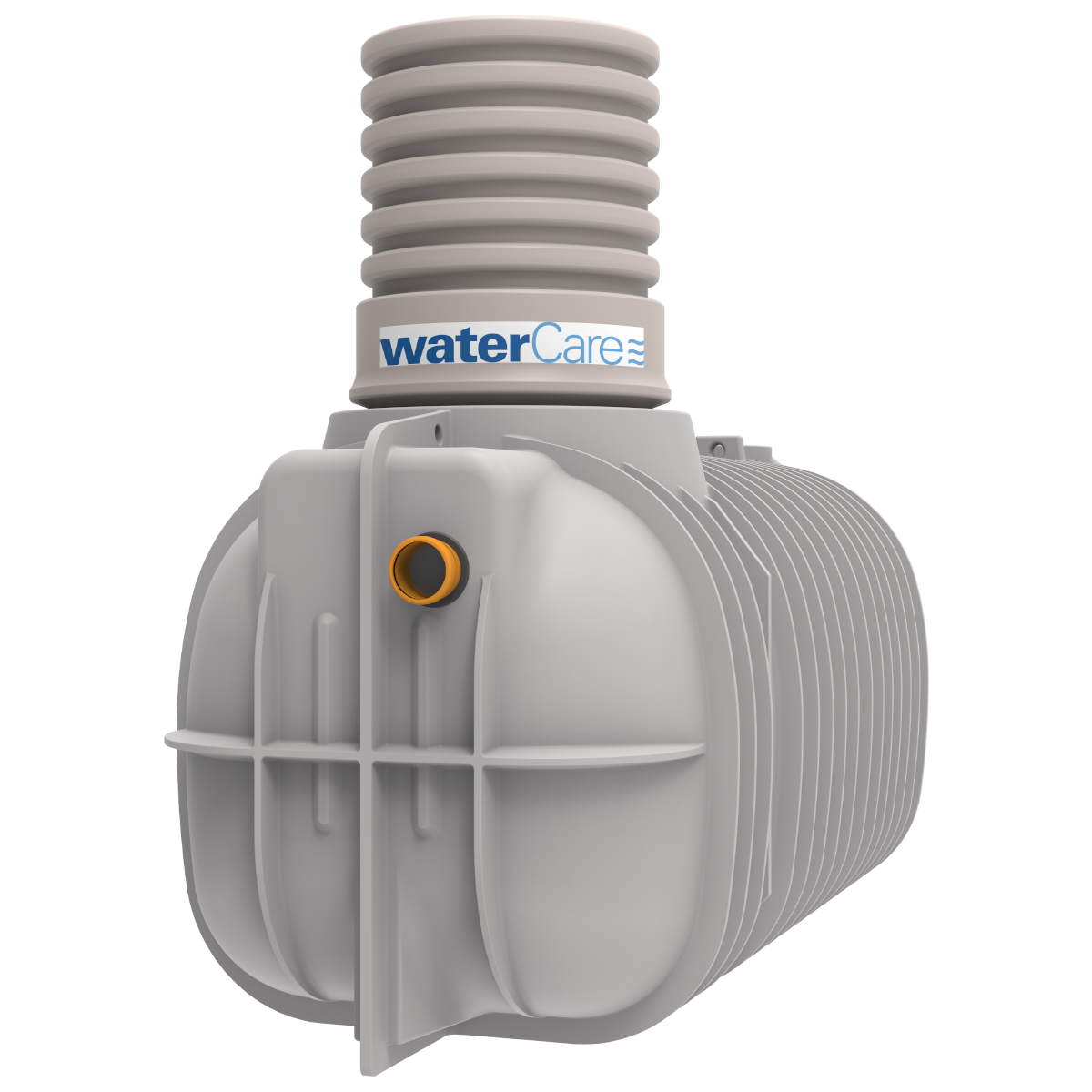
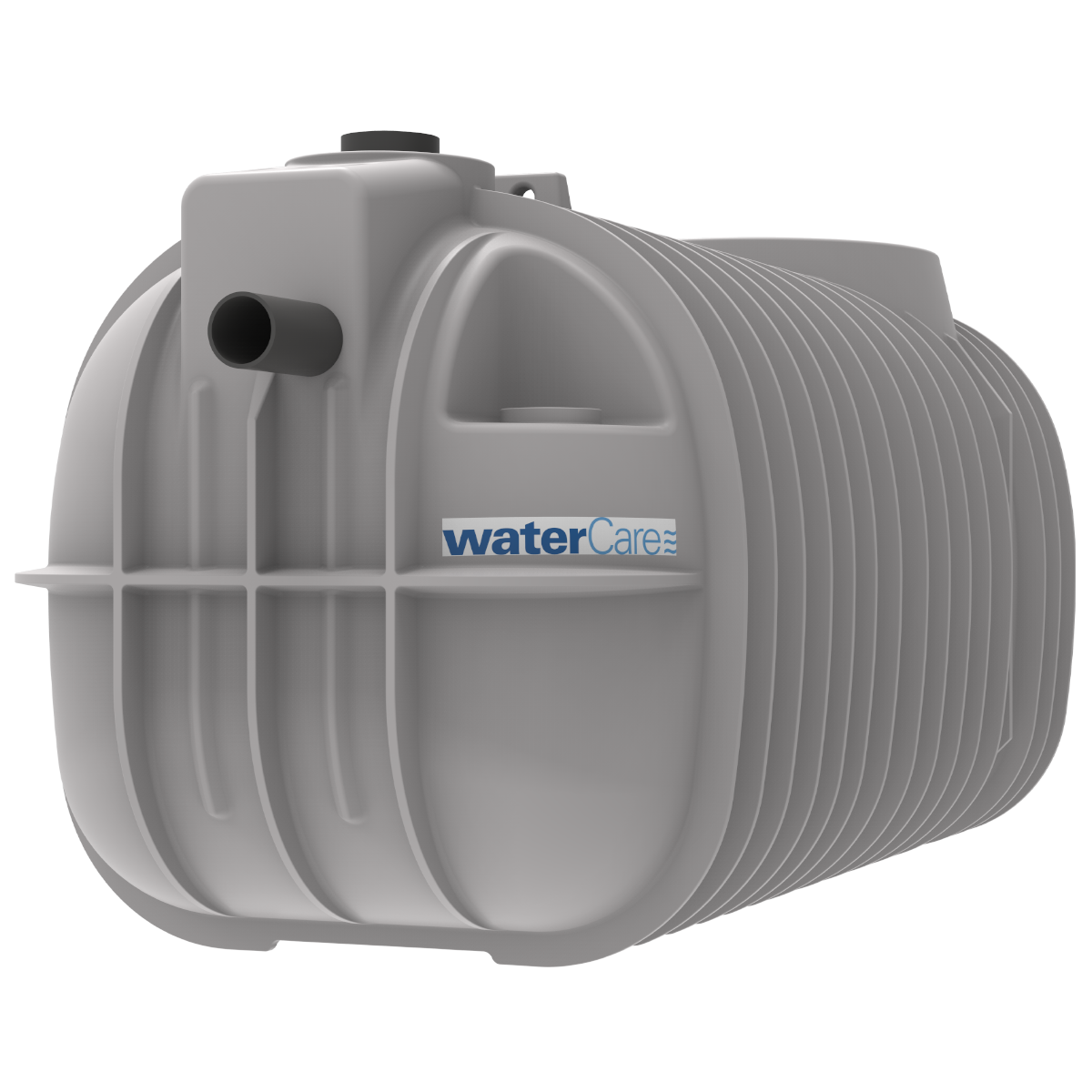
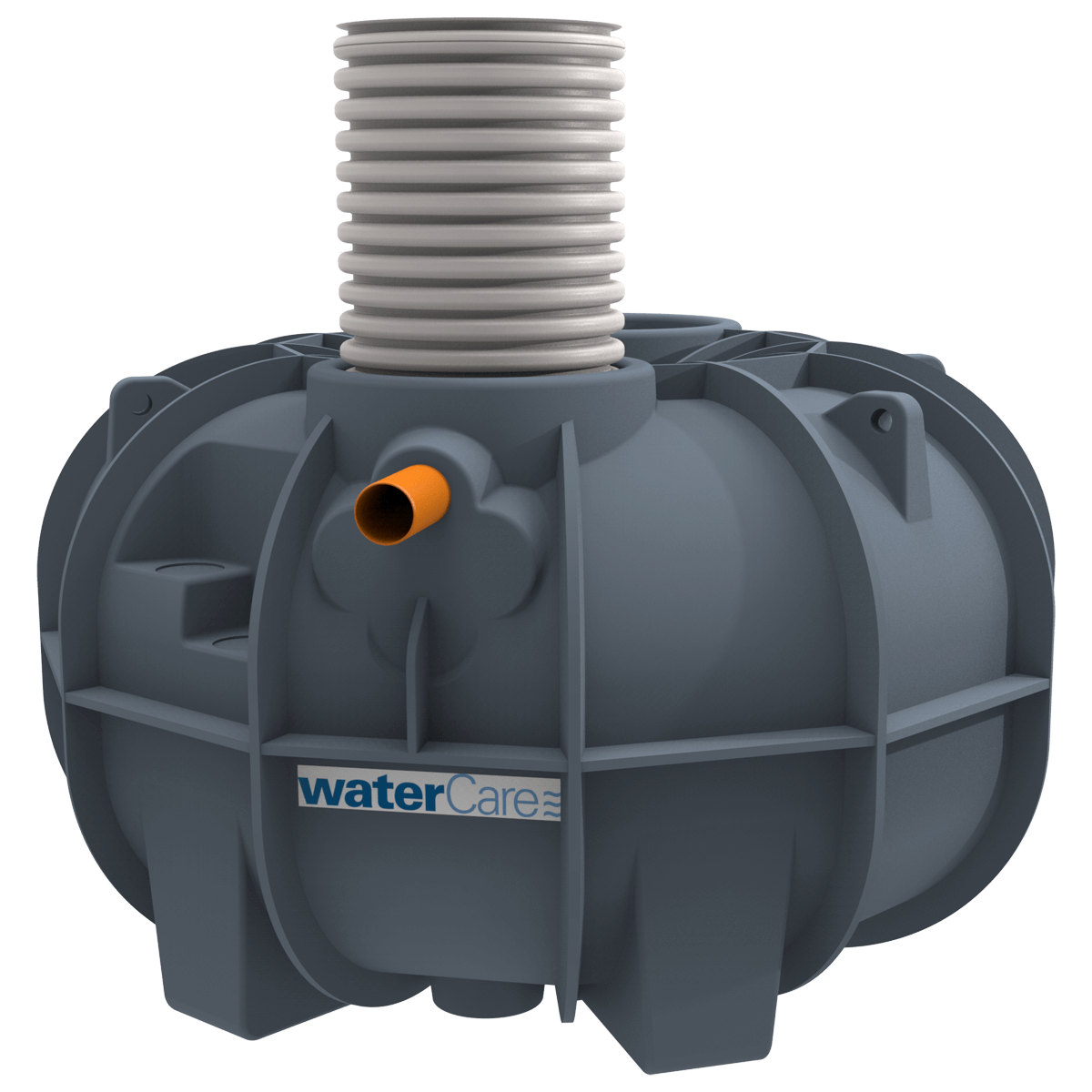
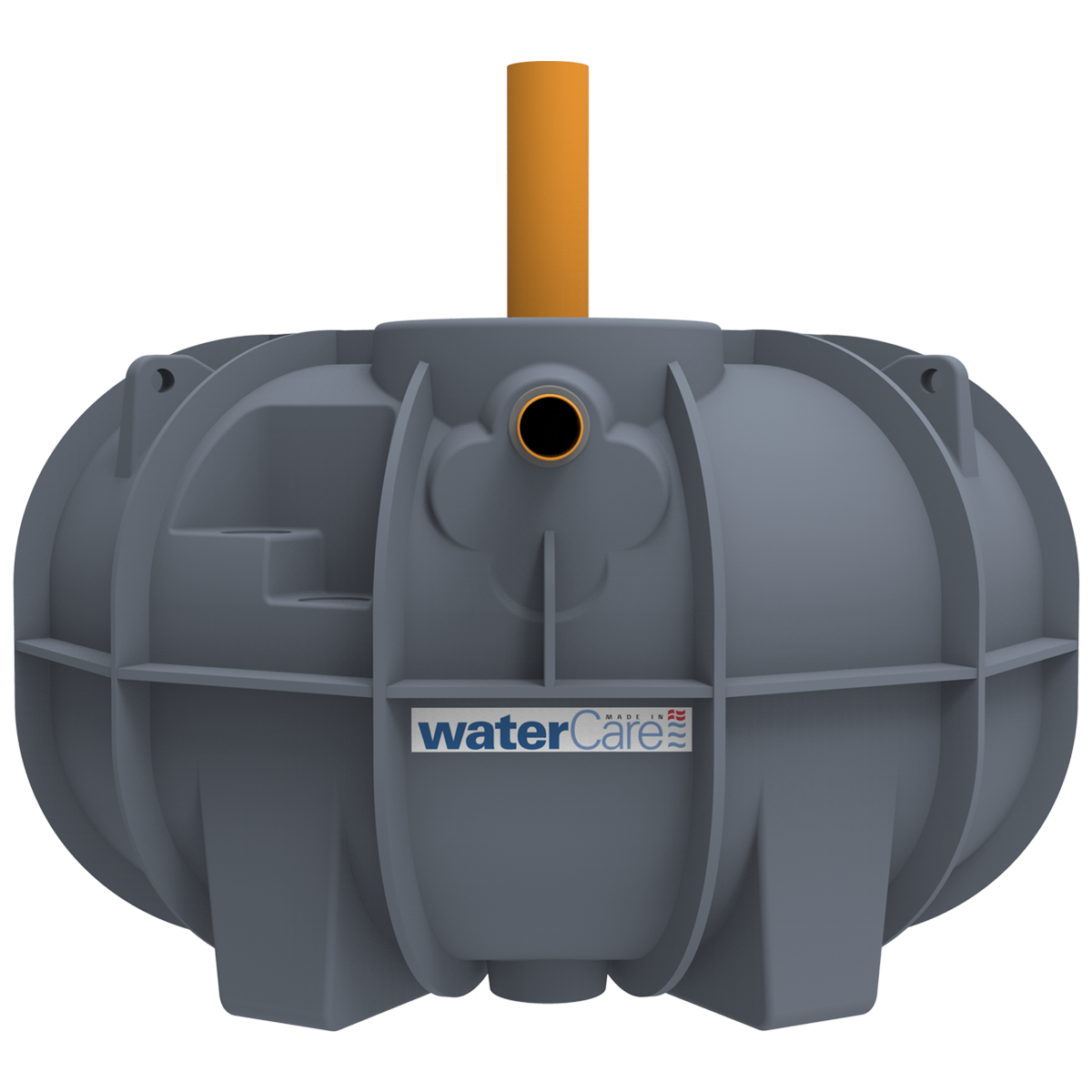
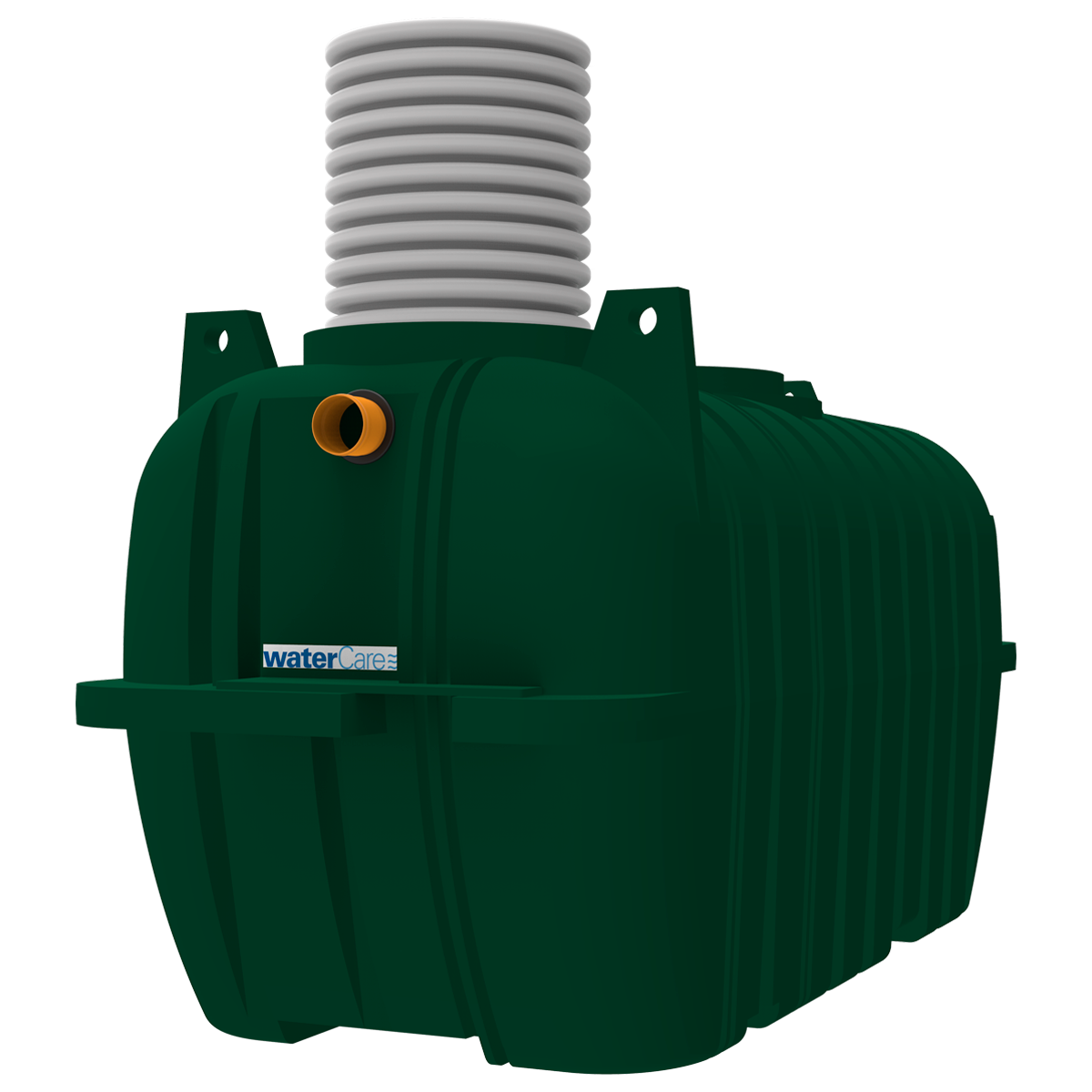
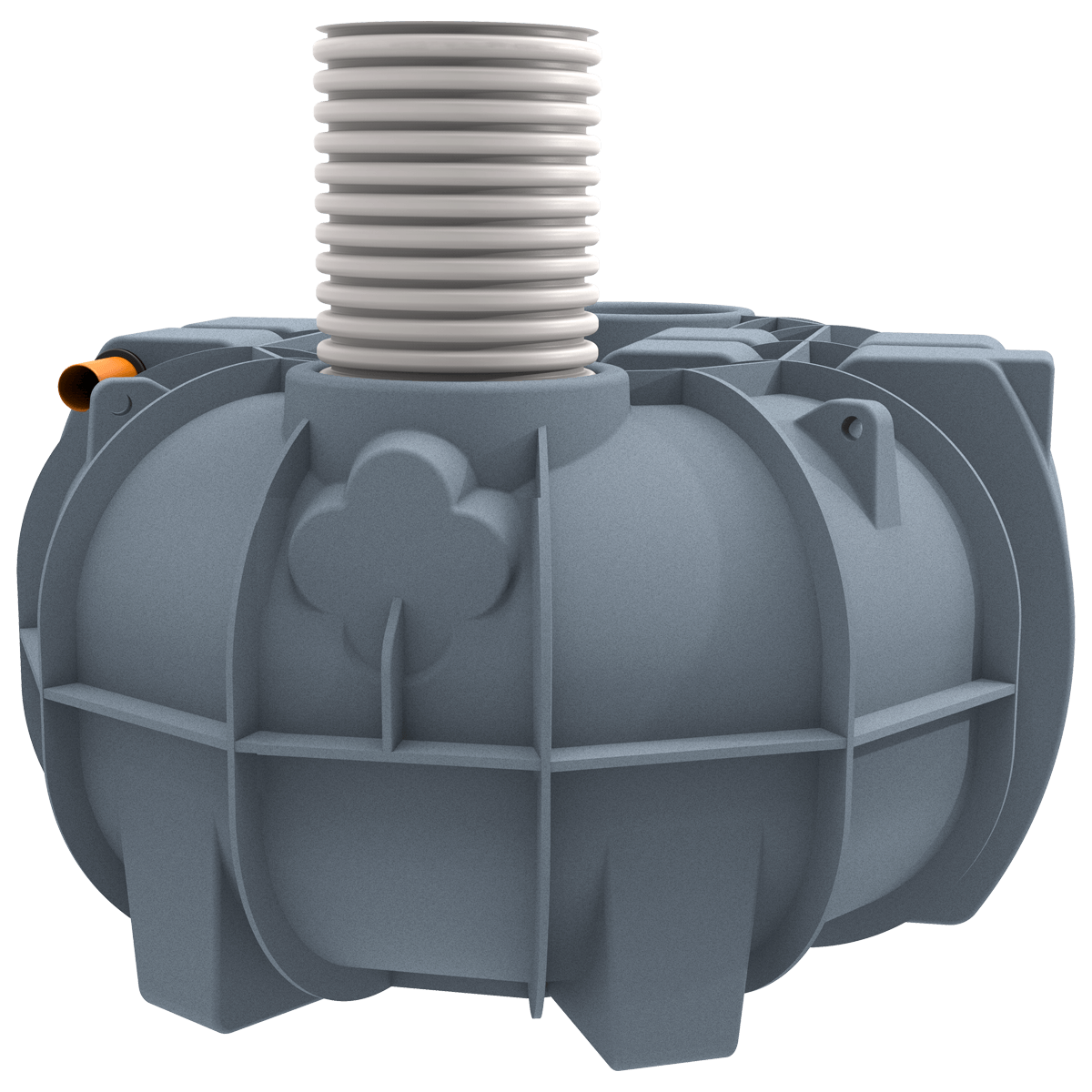
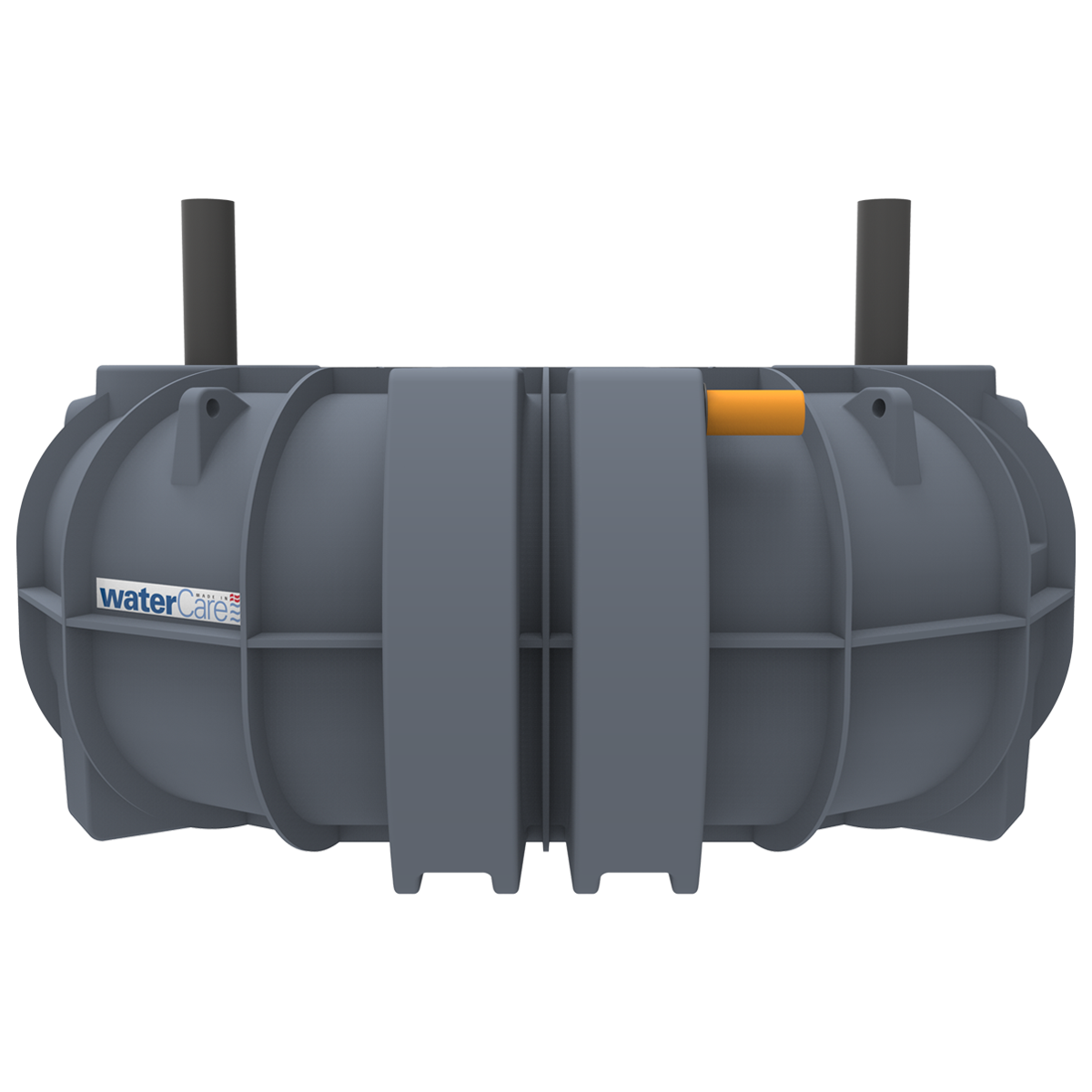
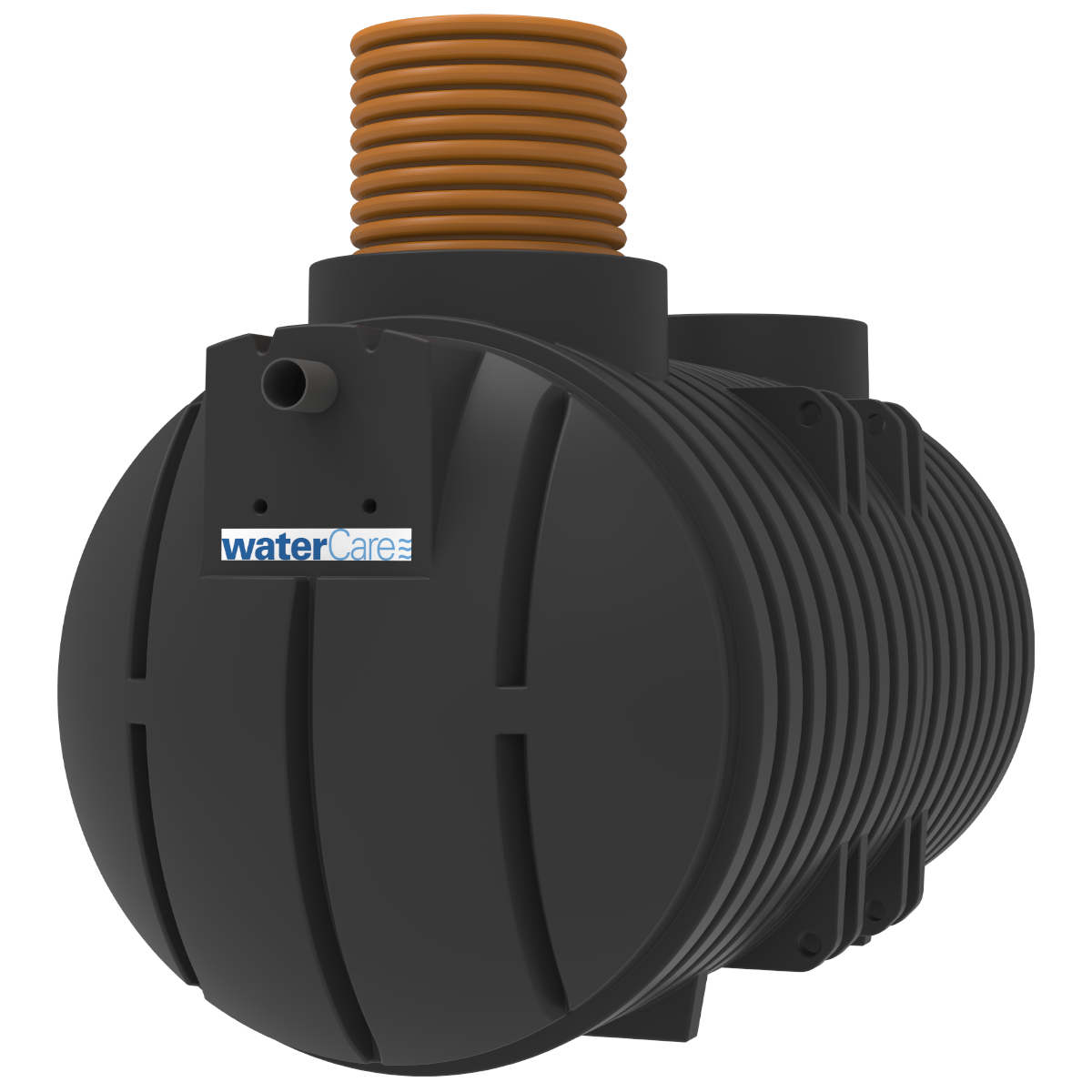
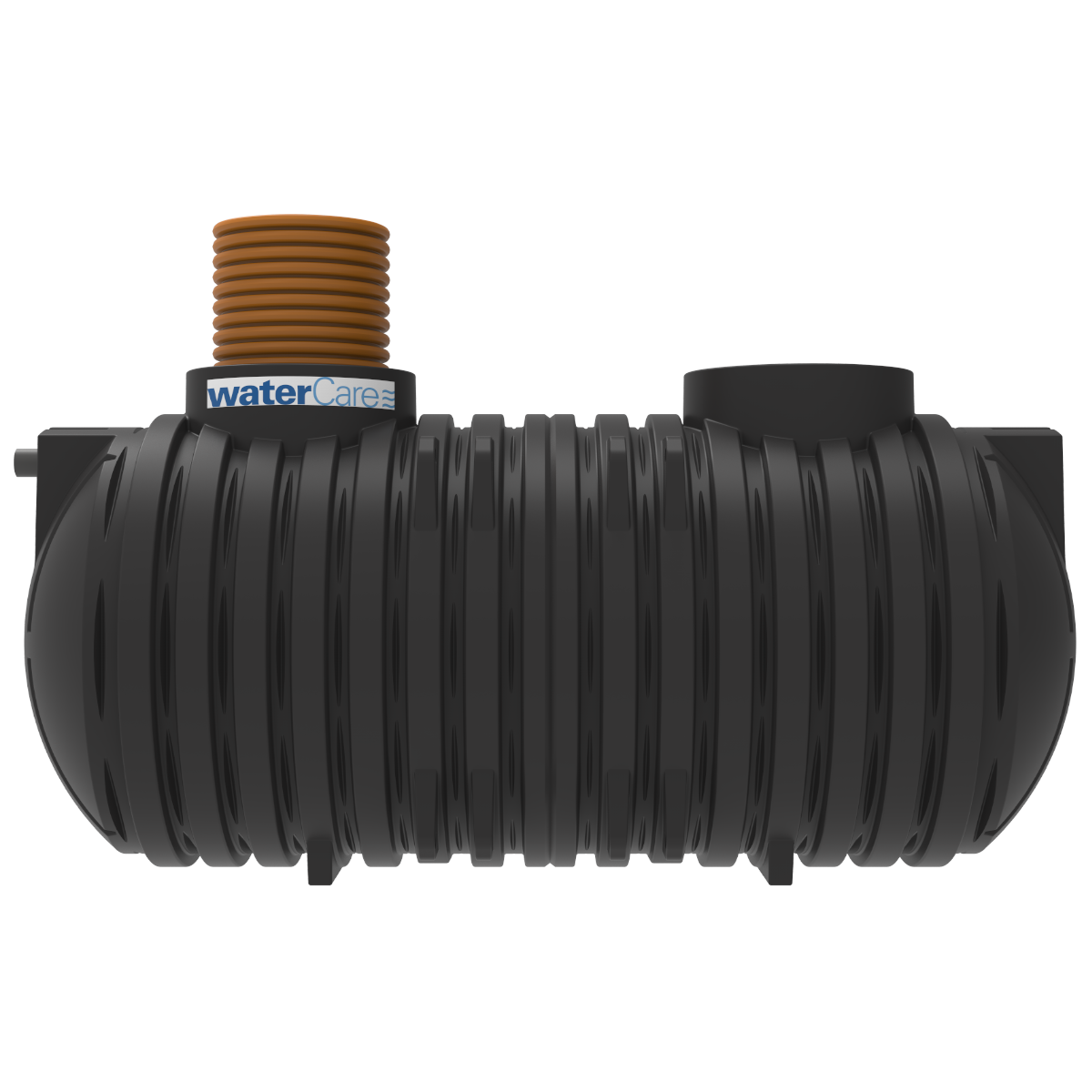
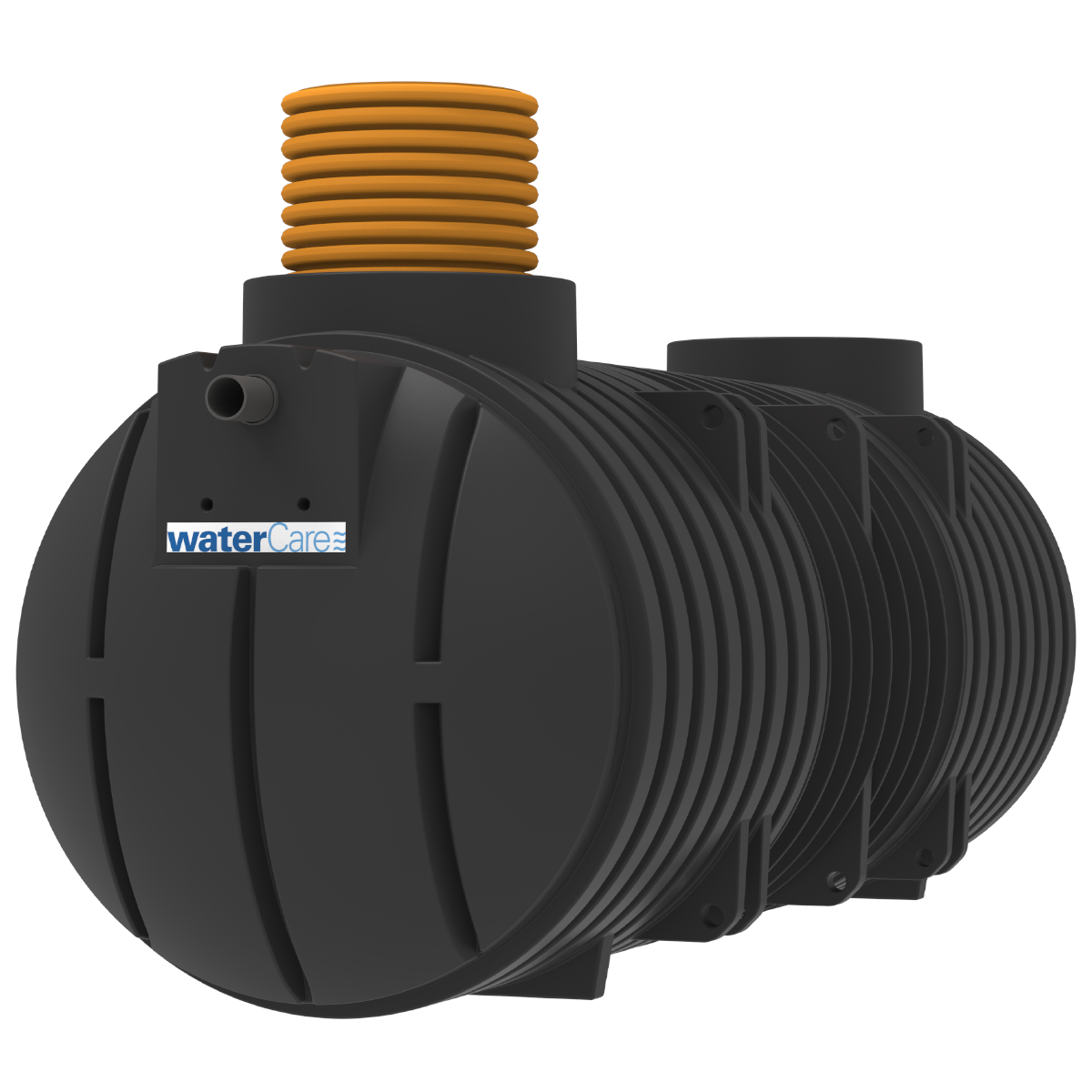
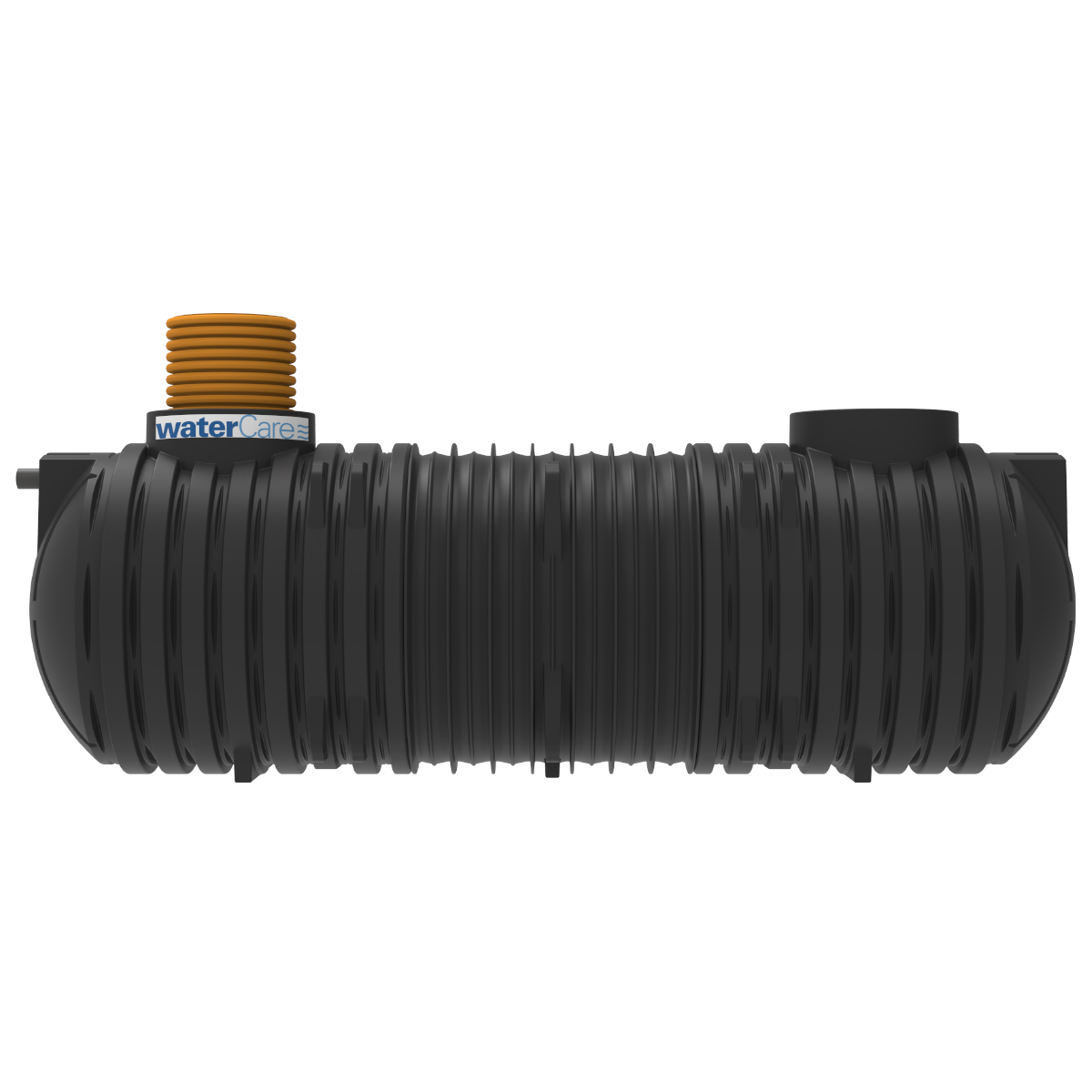
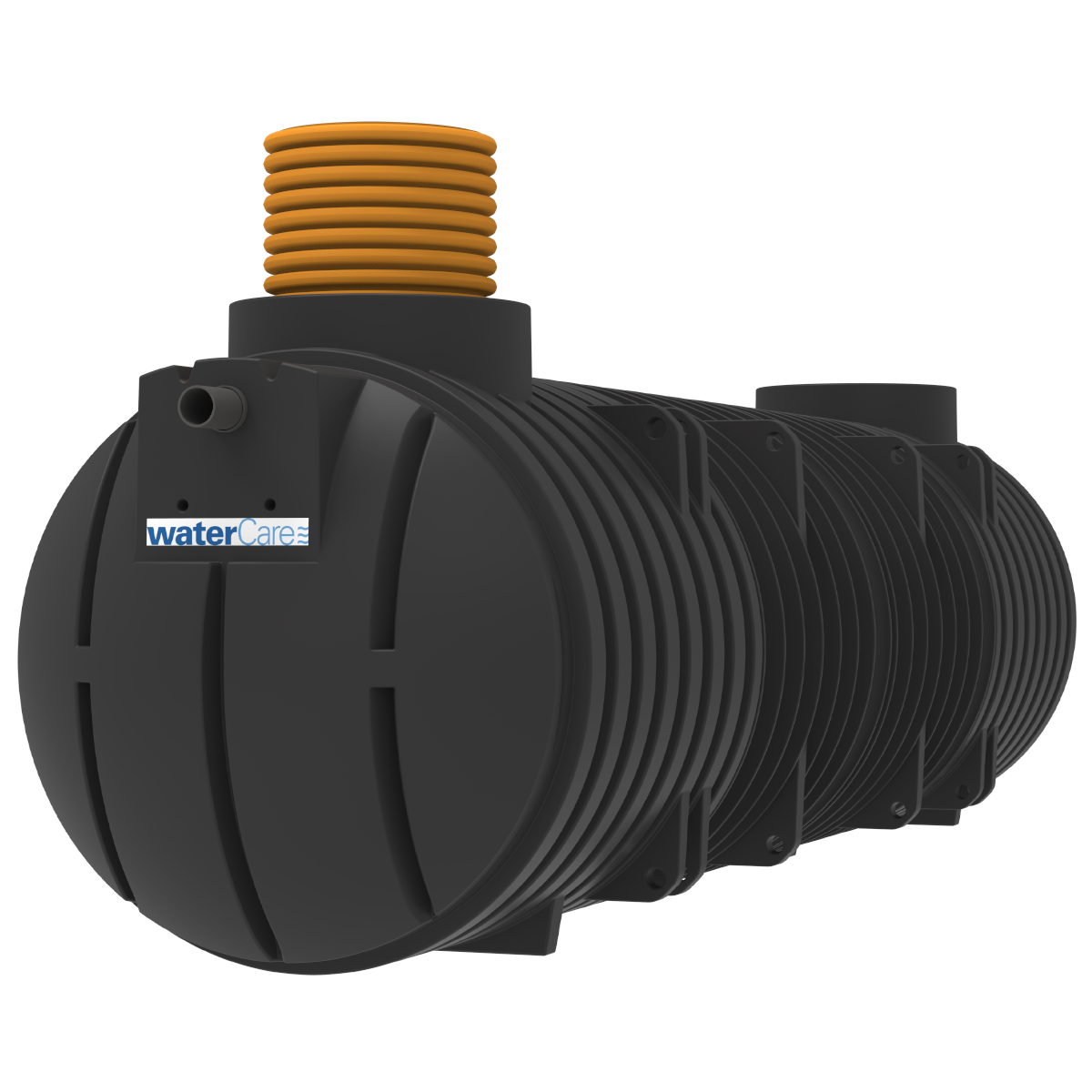
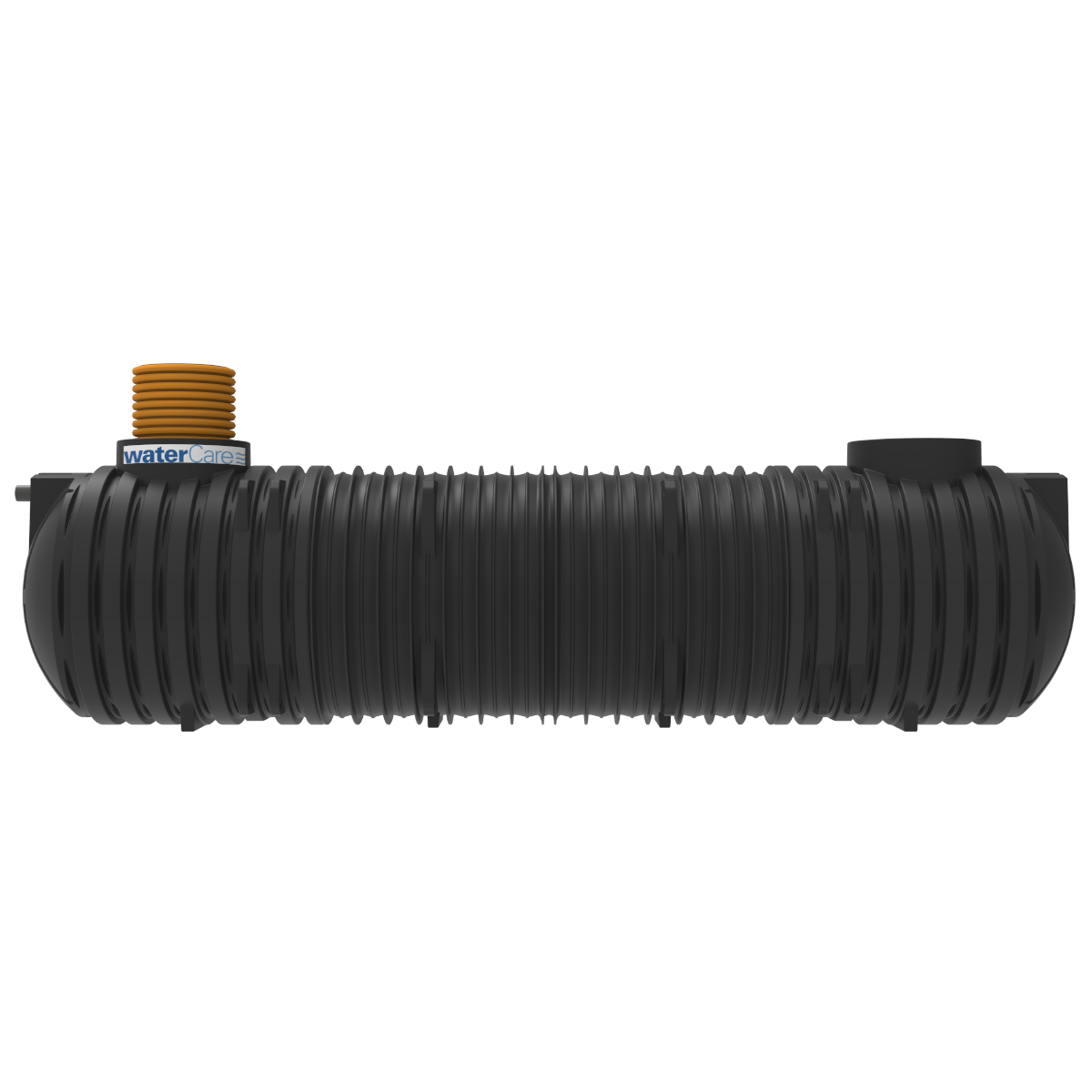
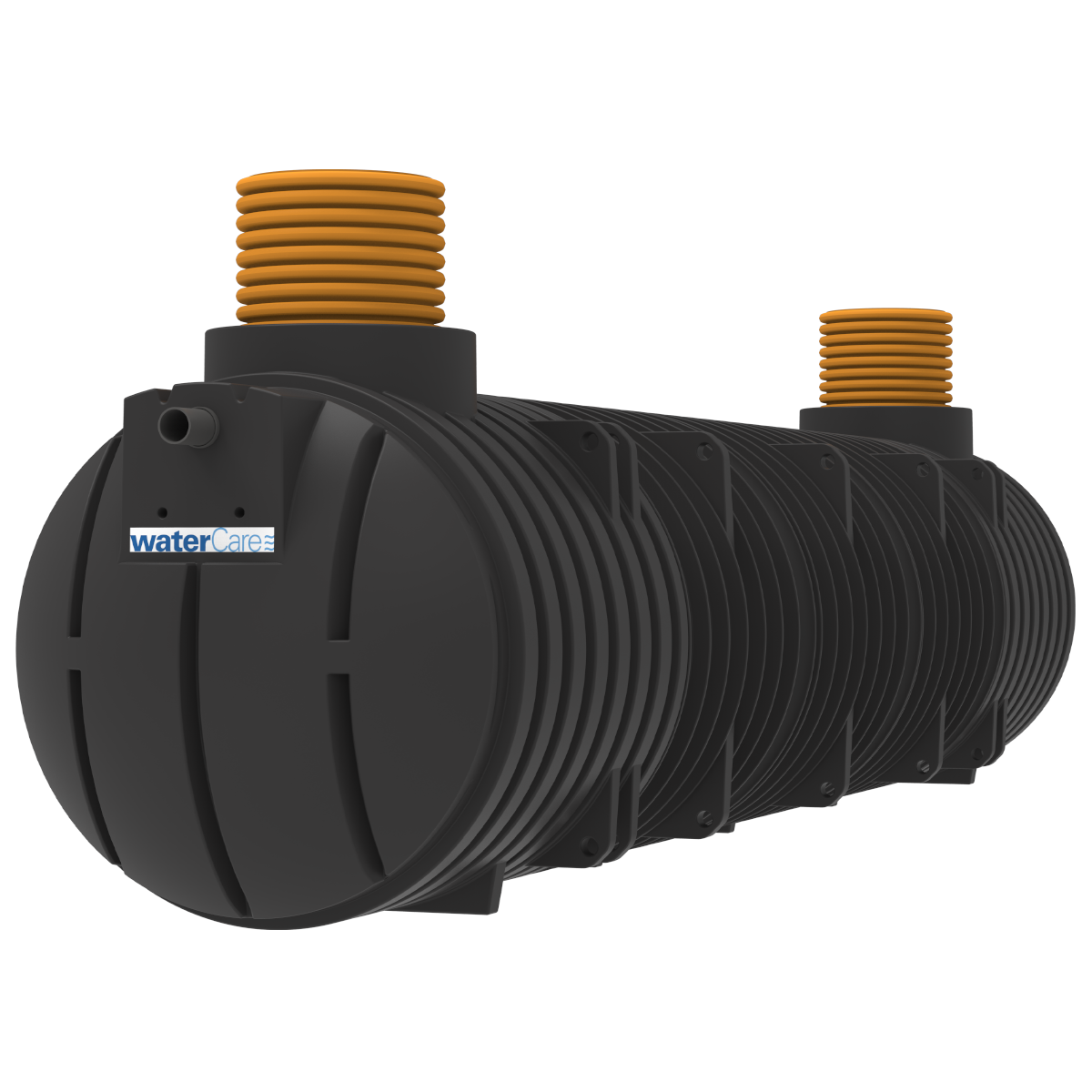
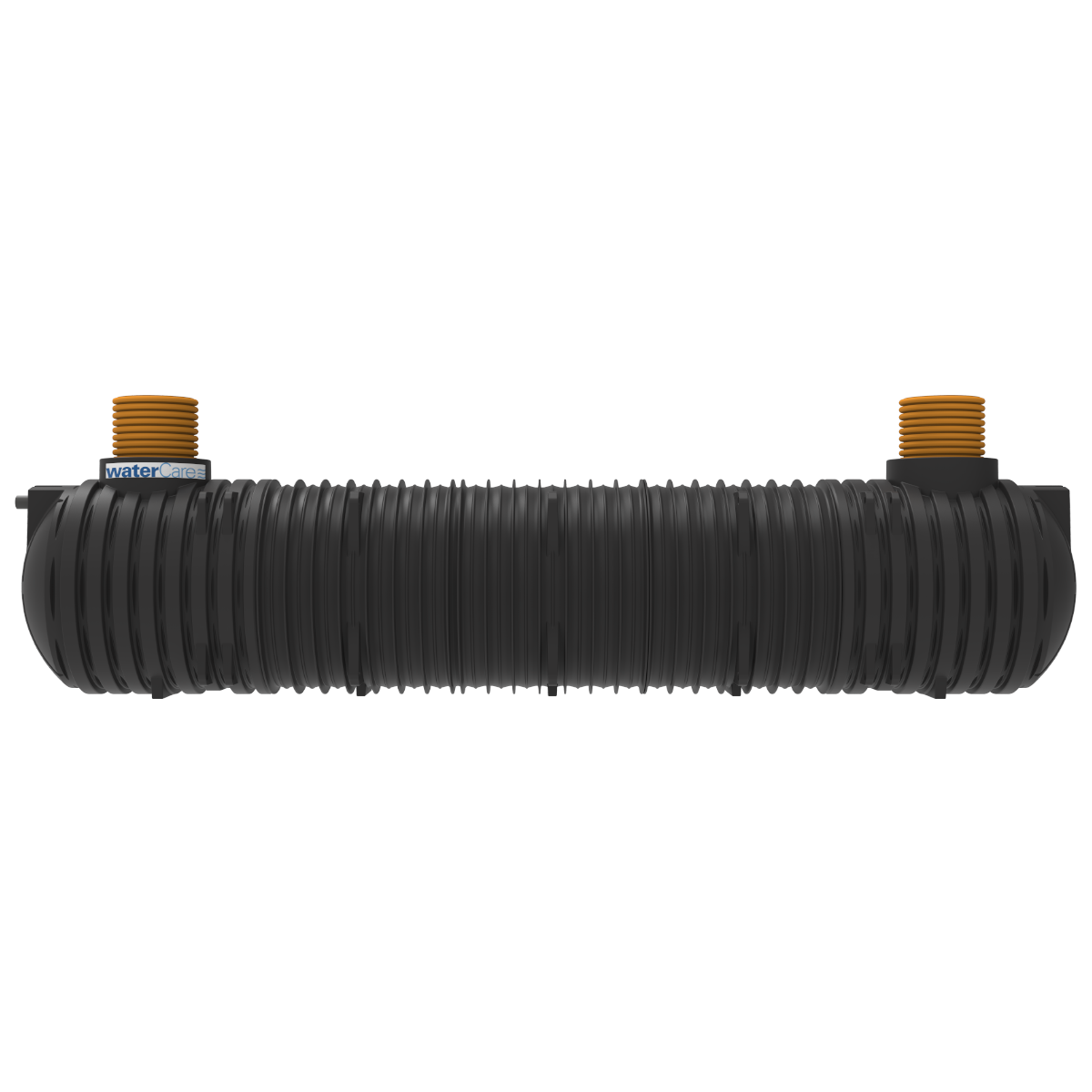
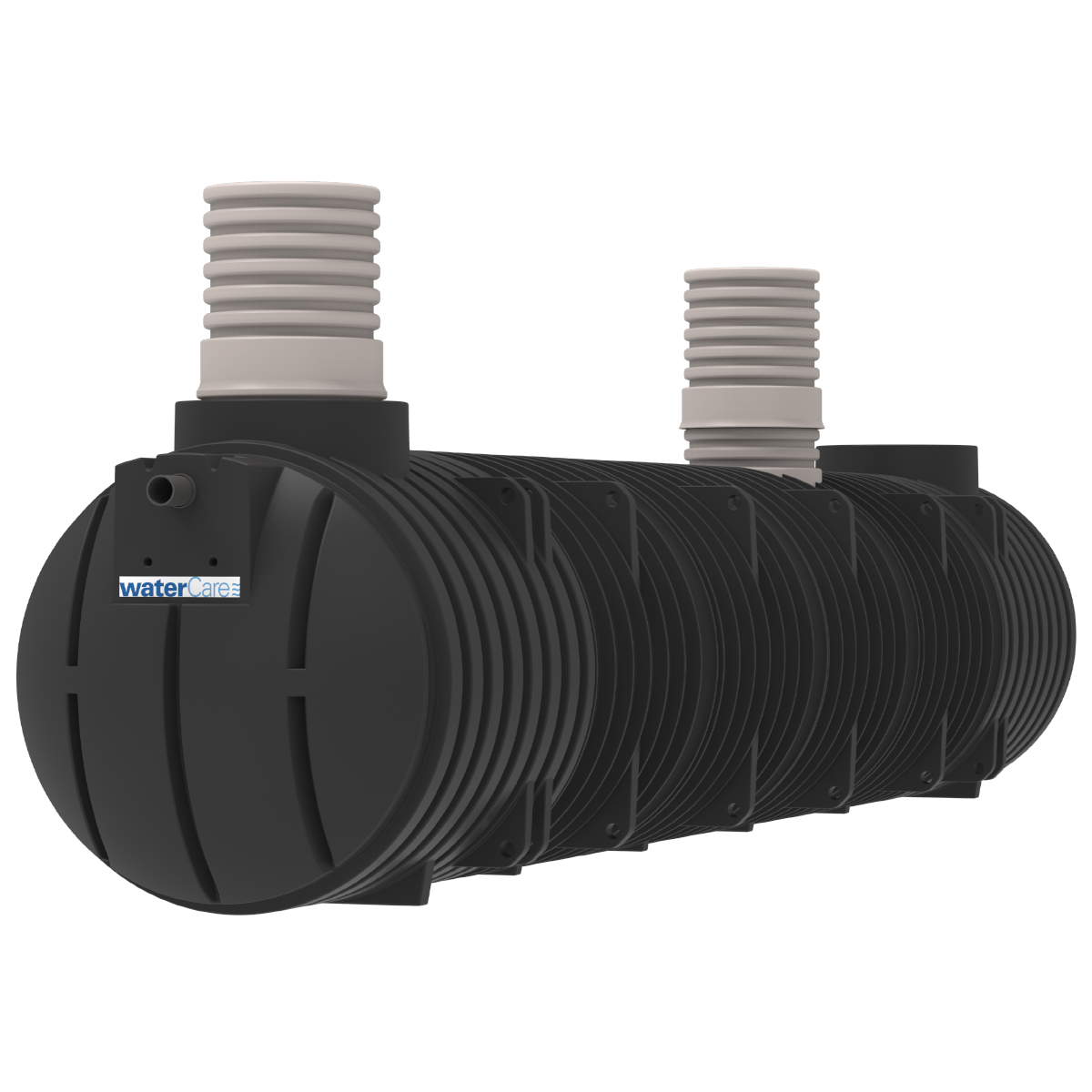
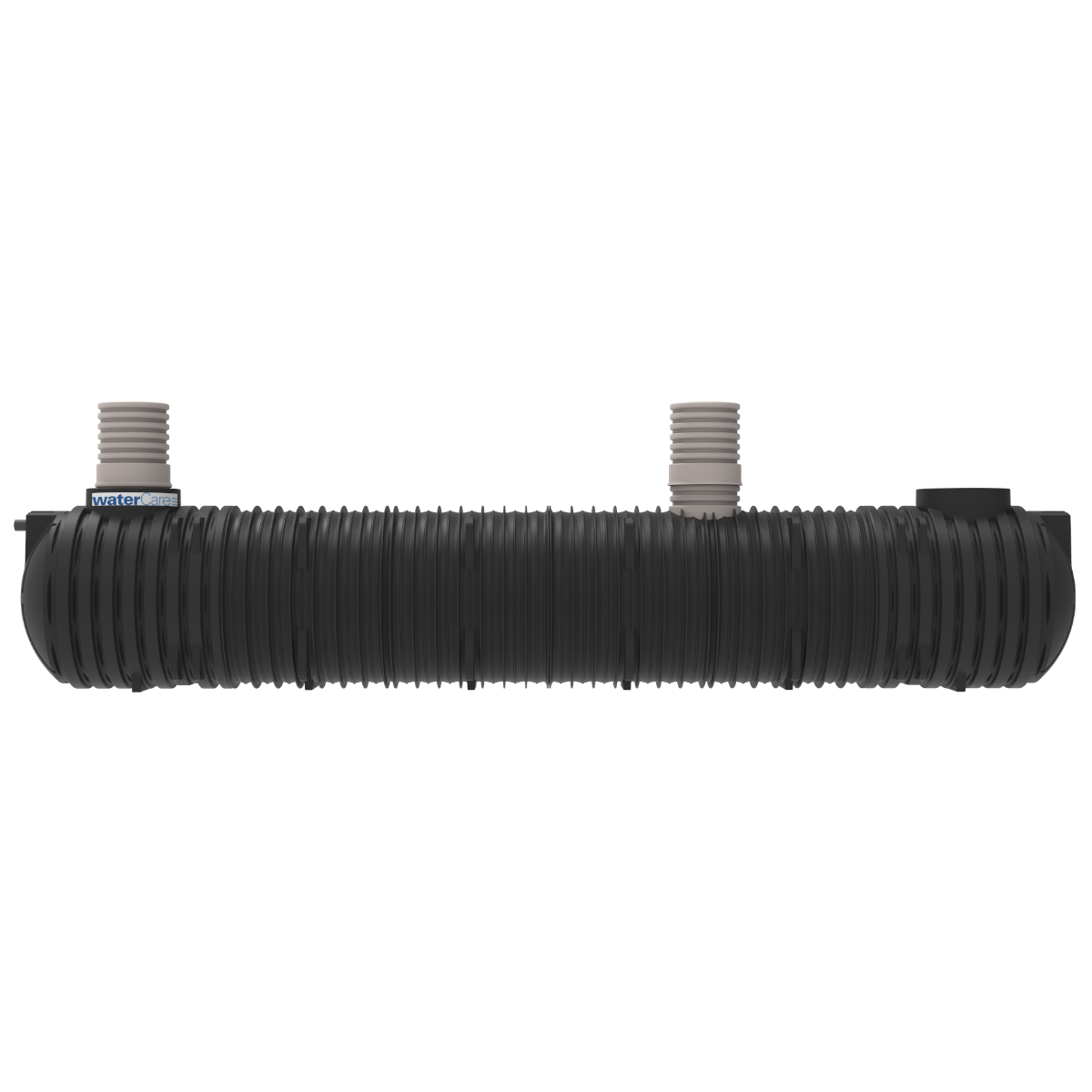
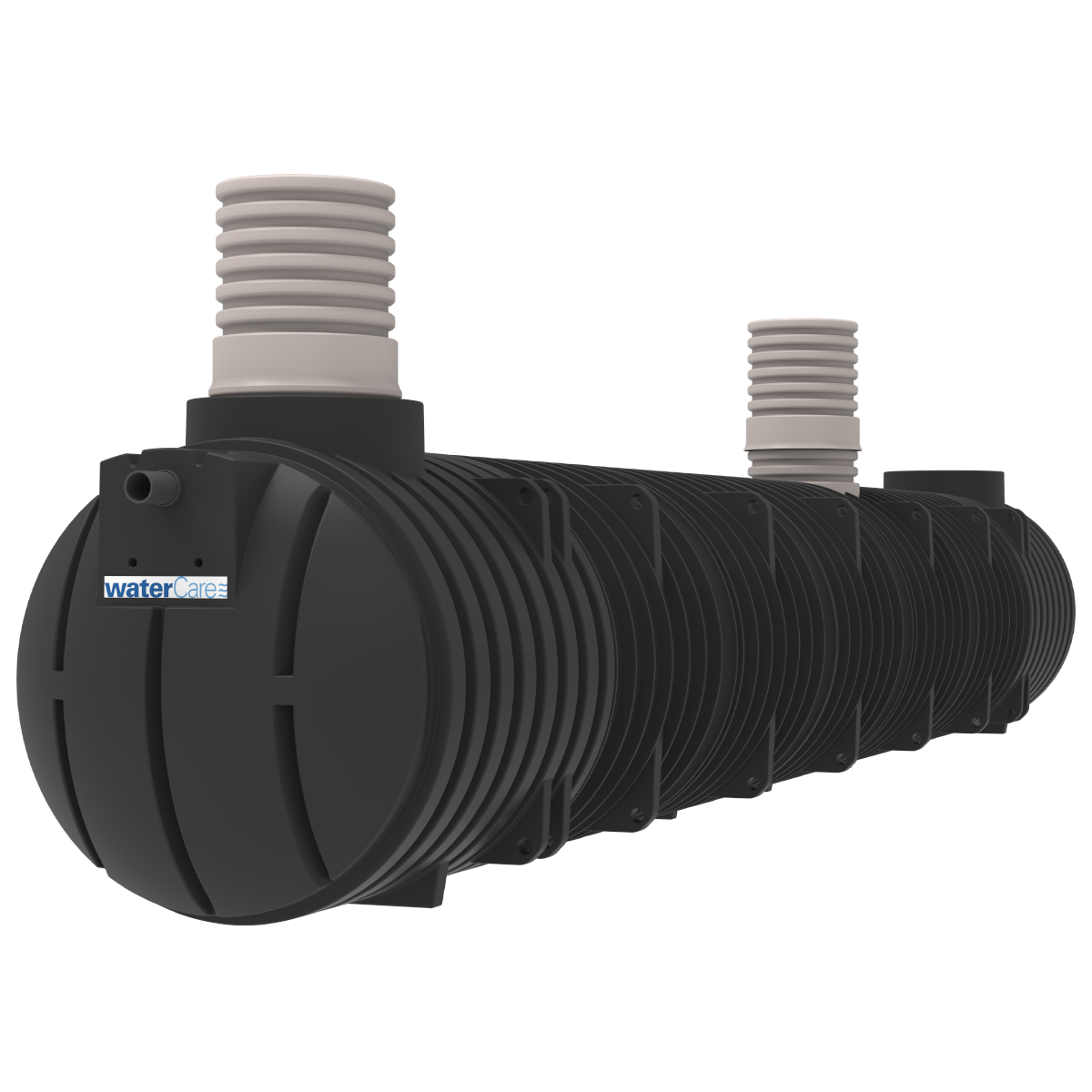
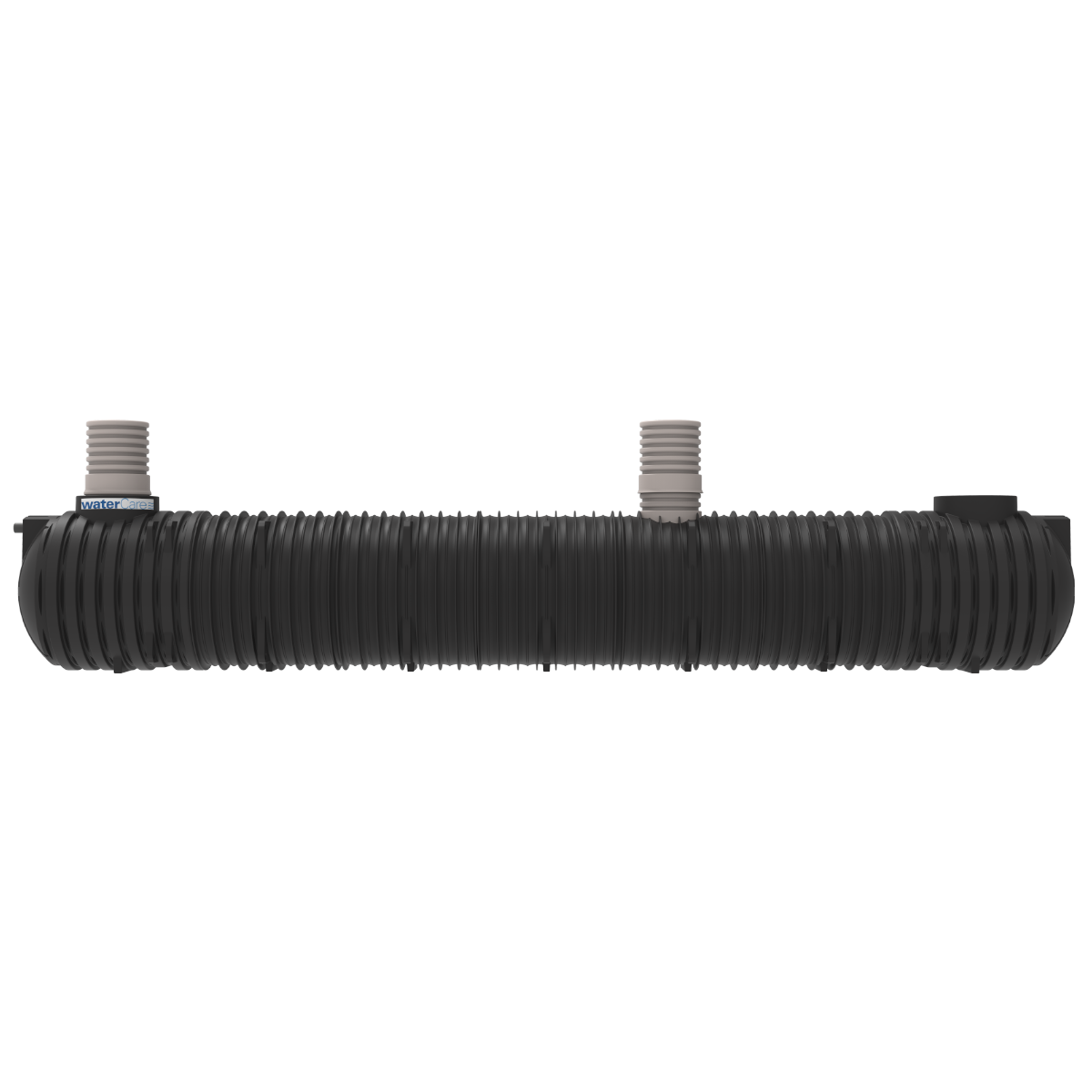
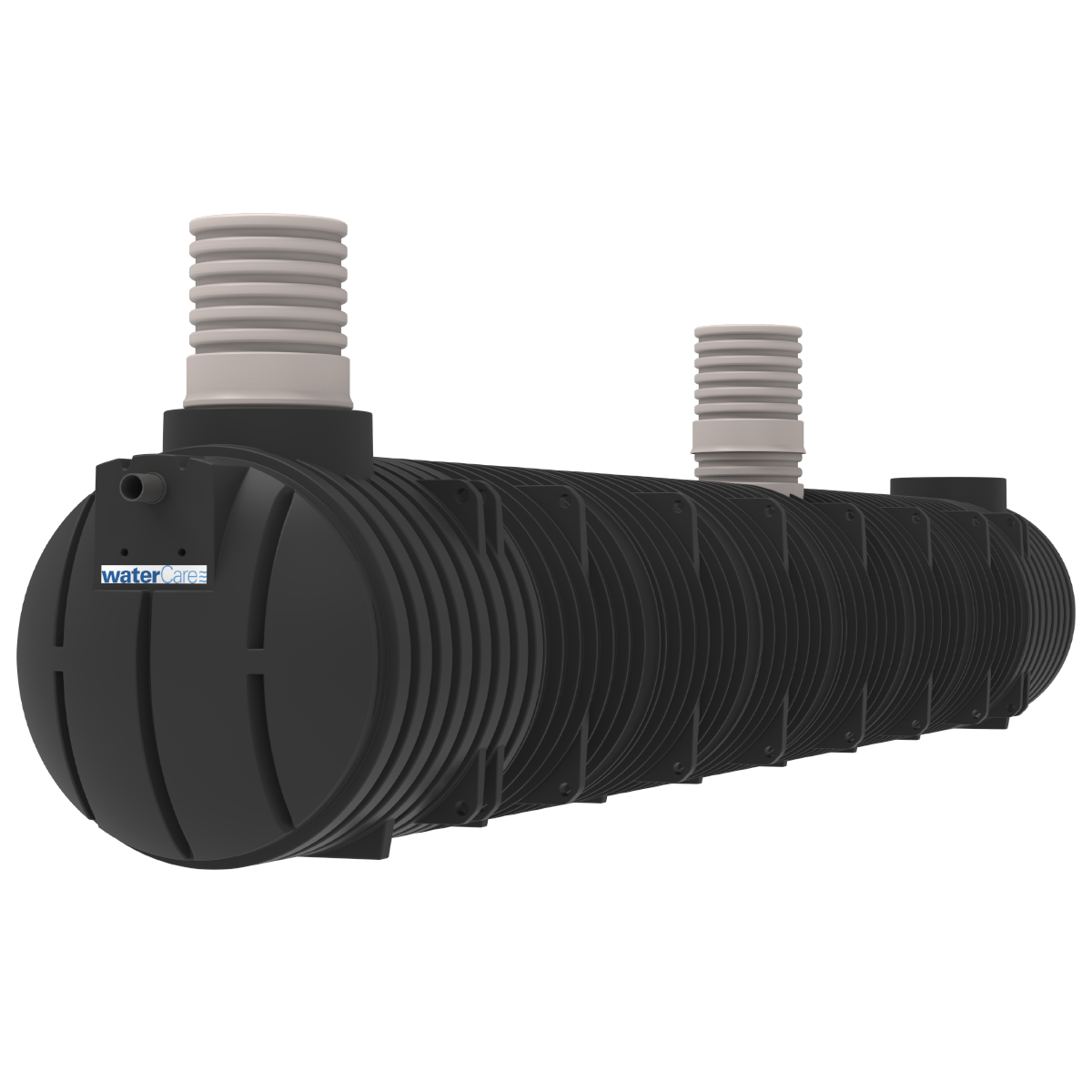
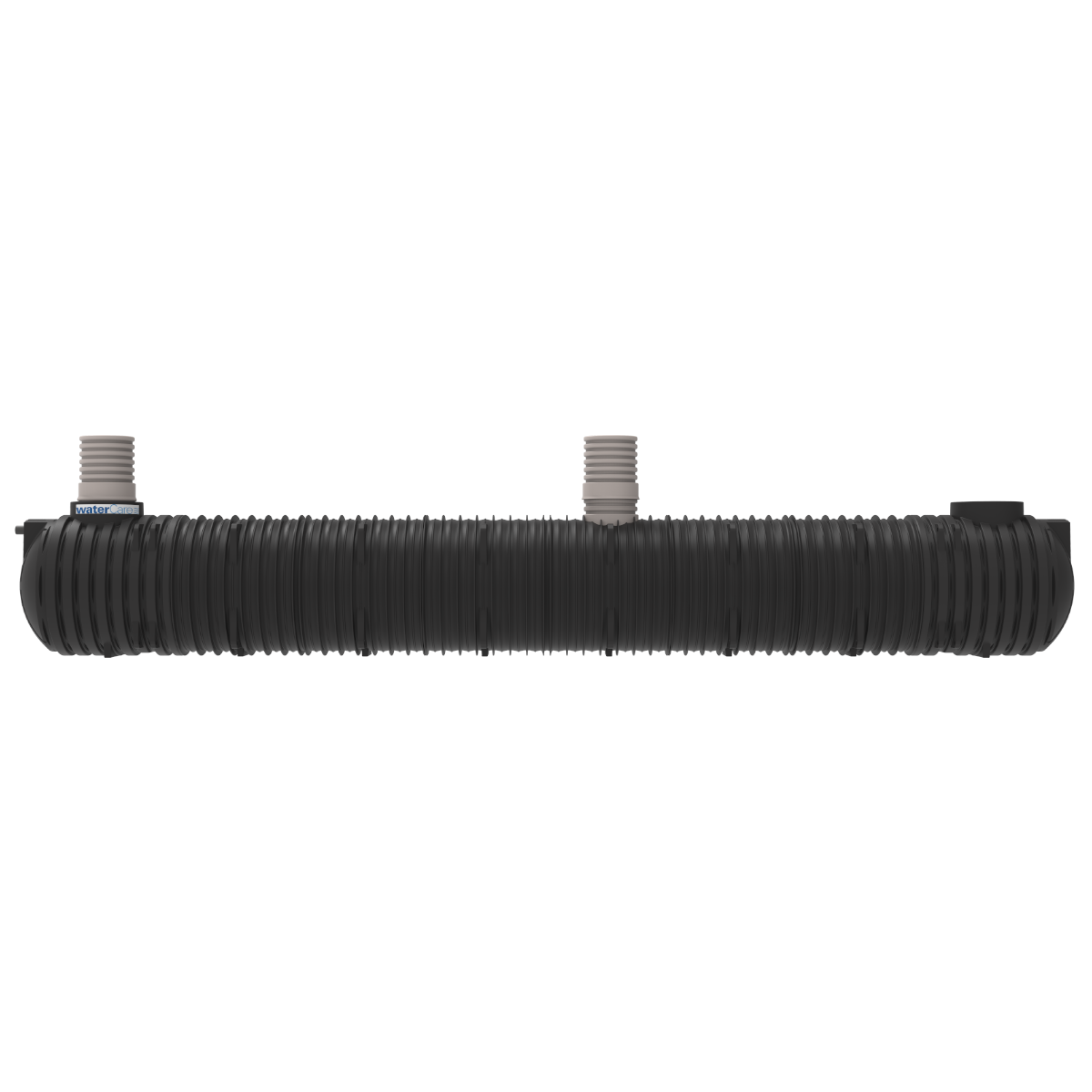
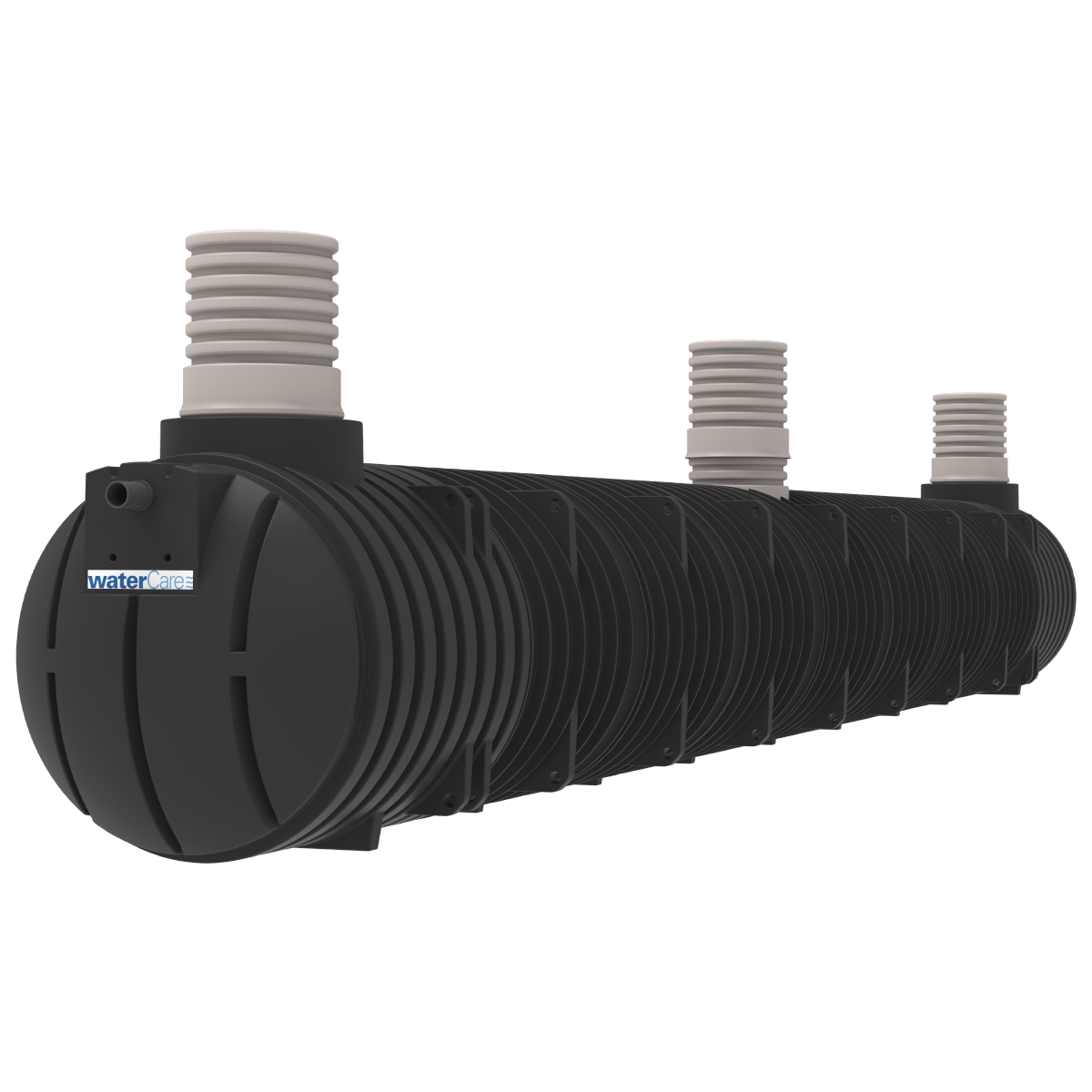
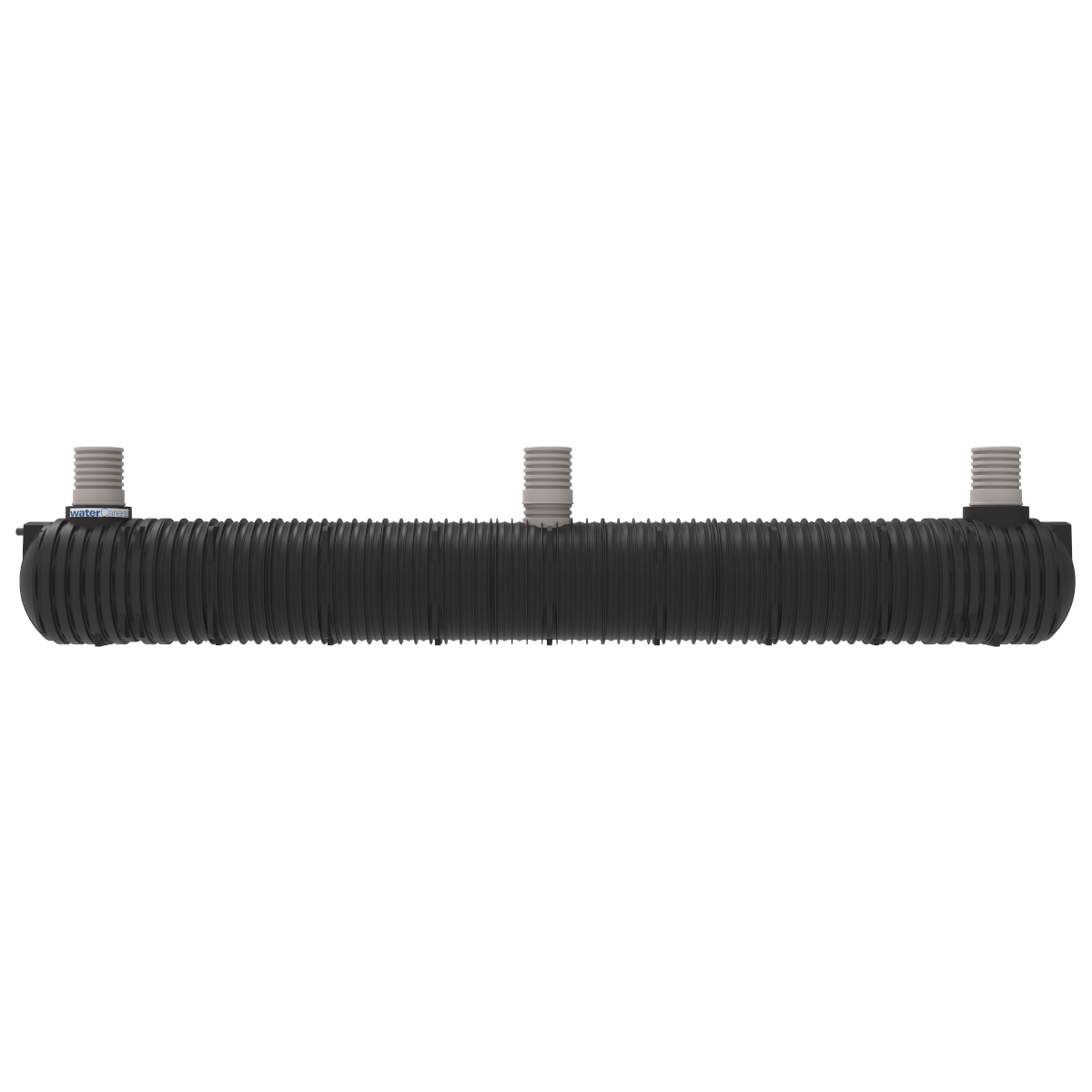
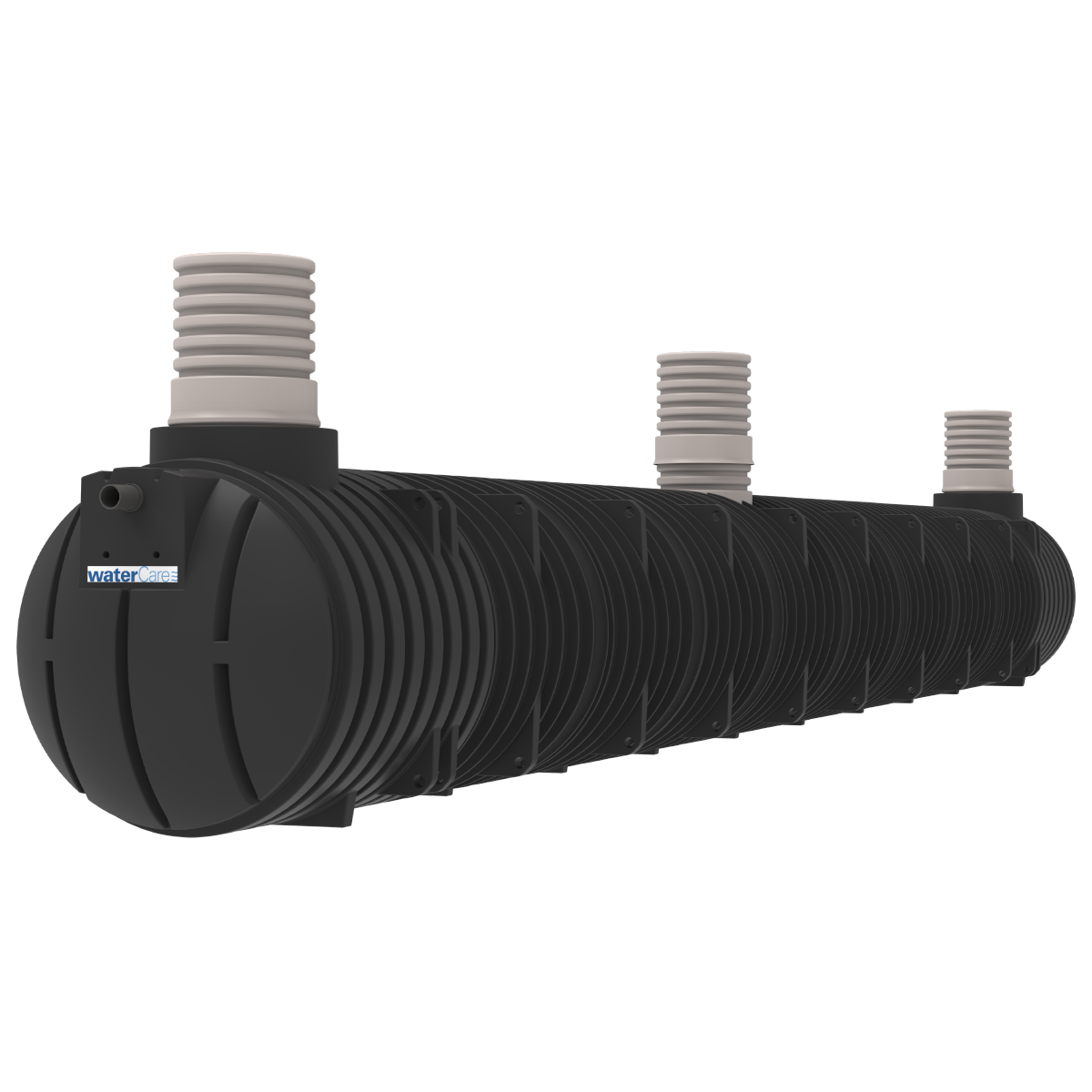
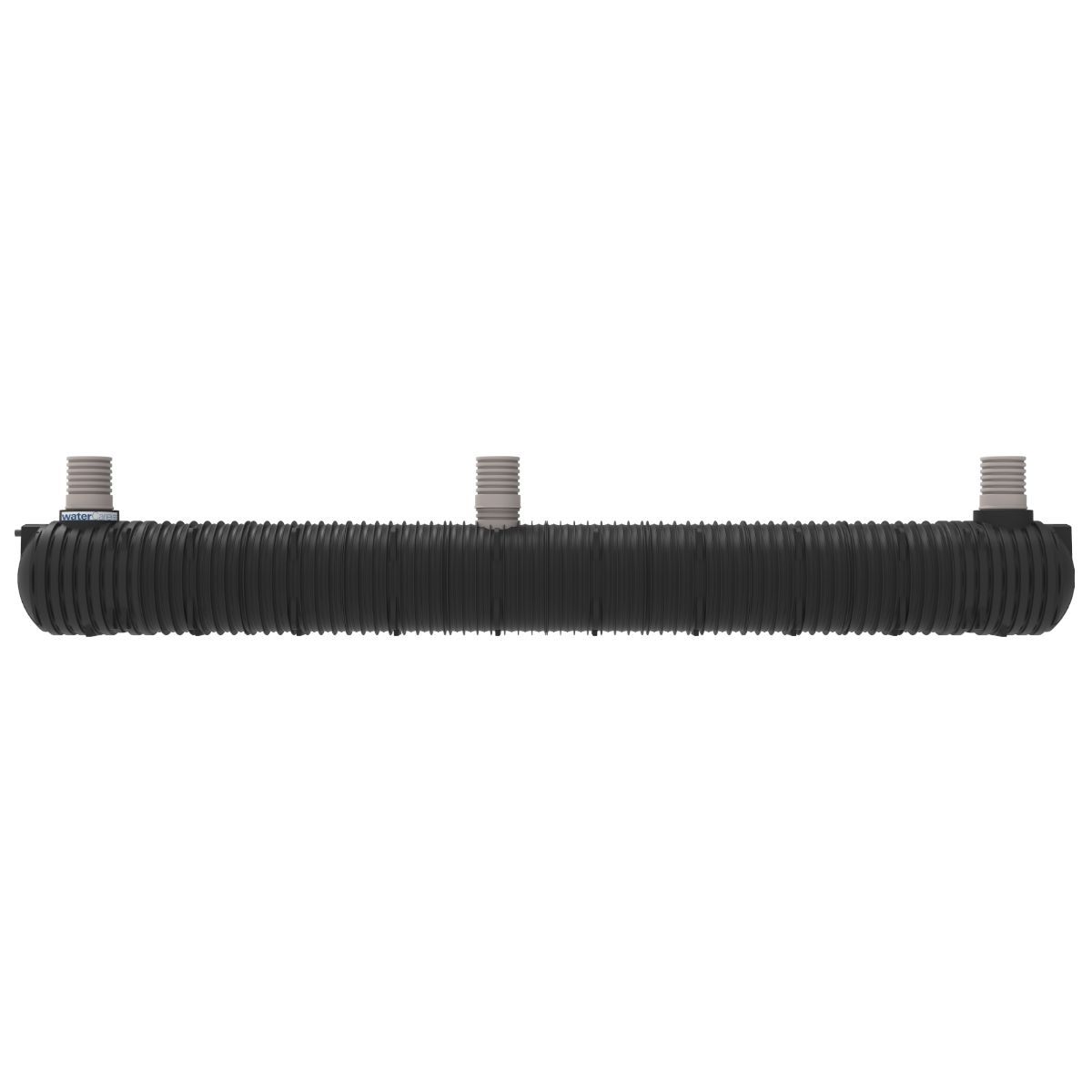
A wastewater holding tank is a reliable solution for properties without access to the public sewer system, providing a safe way to collect, store, and later empty wastewater. It’s an ideal alternative to a sewer connection in areas where drainage or sewer lines aren’t available.
At Watercare, we offer wastewater holding tanks in multiple sizes, making it easy to choose the right capacity for your property and wastewater volume.
×
What is wastewater?
Where there are people, there is wastewater. Wastewater is contaminated water that we humans have used in one way or another for various activities - for example in our households. This includes water from toilets, bathrooms, kitchens and other drains where people have used water for their various daily activities. In order for the water to be discharged into the environment in a safe manner, it must be collected, treated and cleaned. In many cases, the public sewer system is used for parts of this process, but in cases where there is no connection to this, various types of tanks are used to collect wastewater.
How does a wastewater collection tank work?
Unlike the different types of settling tanks, where the sludge is collected in the tank while the wastewater seeps into the ground via a drain, a holding tank is a partially closed system with a chamber and only one inlet, where no wastewater is discharged. This means that both sludge and wastewater remain in the tank until it is emptied. The basic difference between the two types of tanks is that the first is primarily used to separate solid particles from liquid, while the latter is used exclusively to collect and store all wastewater.
Which type of tank best matches the needs of your property is completely individual. If you are in doubt about which solution suits you best, you have the opportunity to book a meeting where we can review your needs together so that we can find the optimal solution for you.
Emptying the tank
When you own a holding tank, it is your responsibility to ensure that it is emptied. This applies whether the tank is installed in connection with detached houses, summer houses, allotments, businesses or construction sites. To prevent flooding, where the wastewater flows onto the ground and pollutes the environment, it is important that the tank is emptied regularly. In addition, regular emptying of the tank prevents various odor nuisances, and it also prevents paper, grease and other waste materials from growing on the sides of the tank. How often the emptying should take place depends, among other things, on the size of the tank and how frequently the drainage system is used.
Emptying of the tank is done through the municipality's emptying system via the installation pipe.