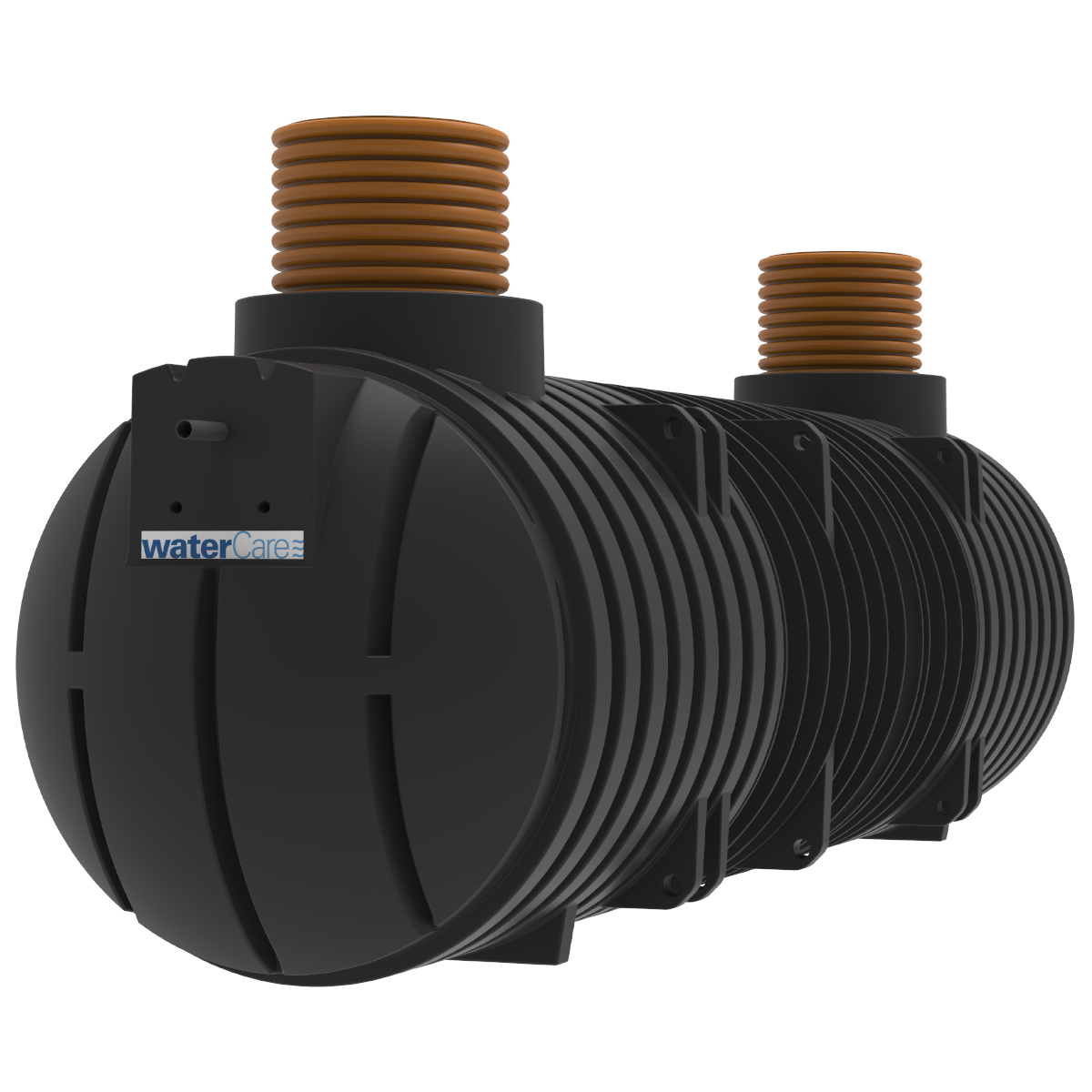
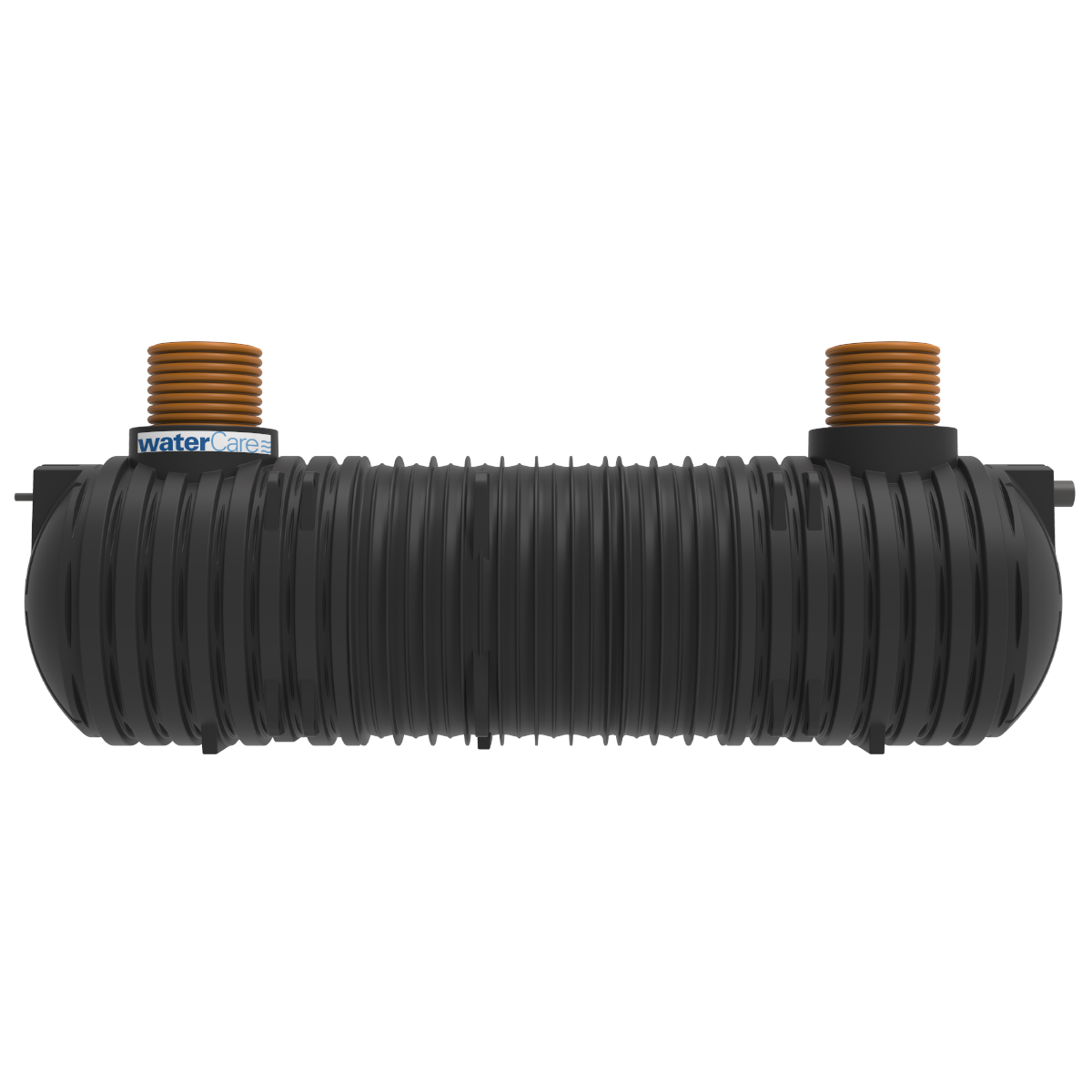
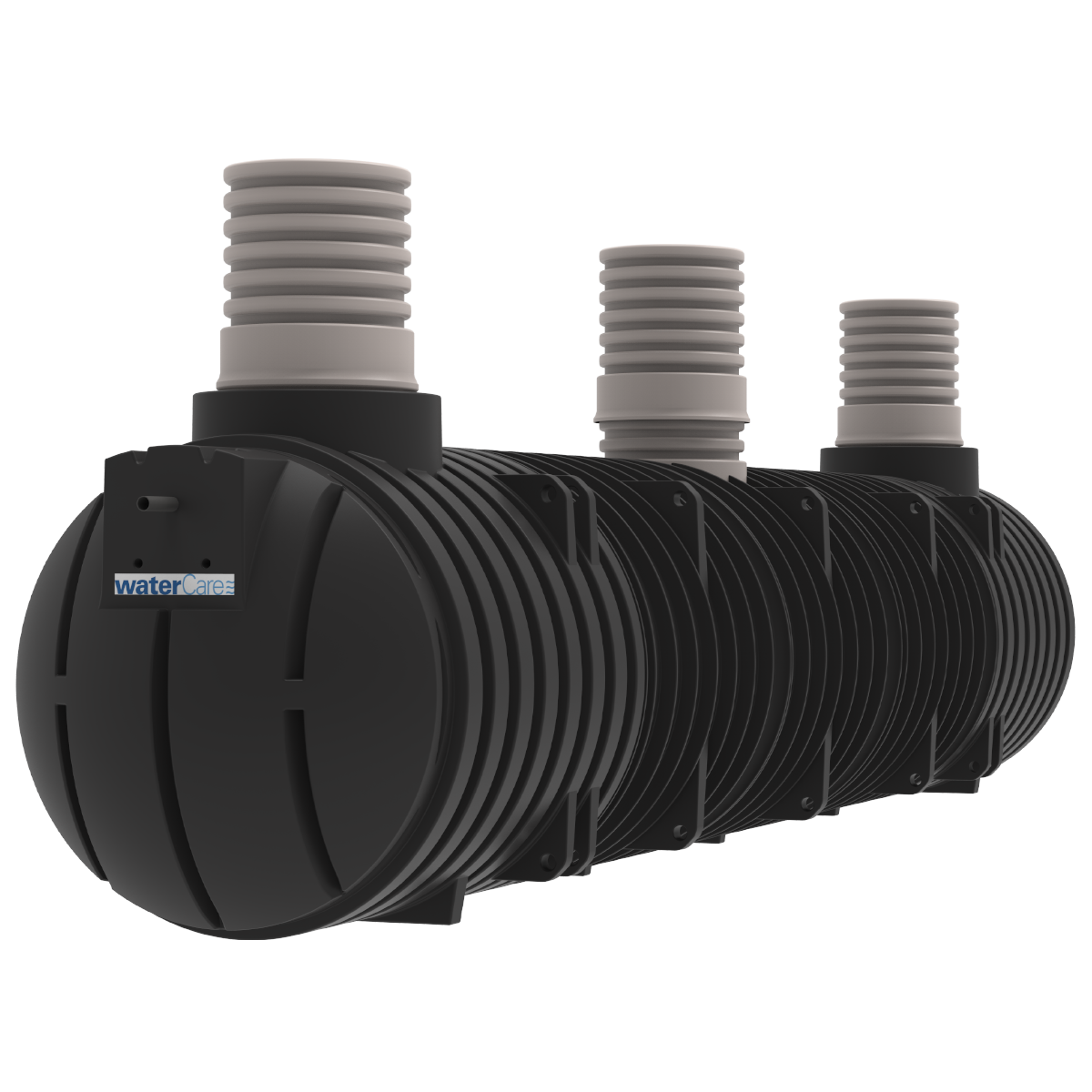
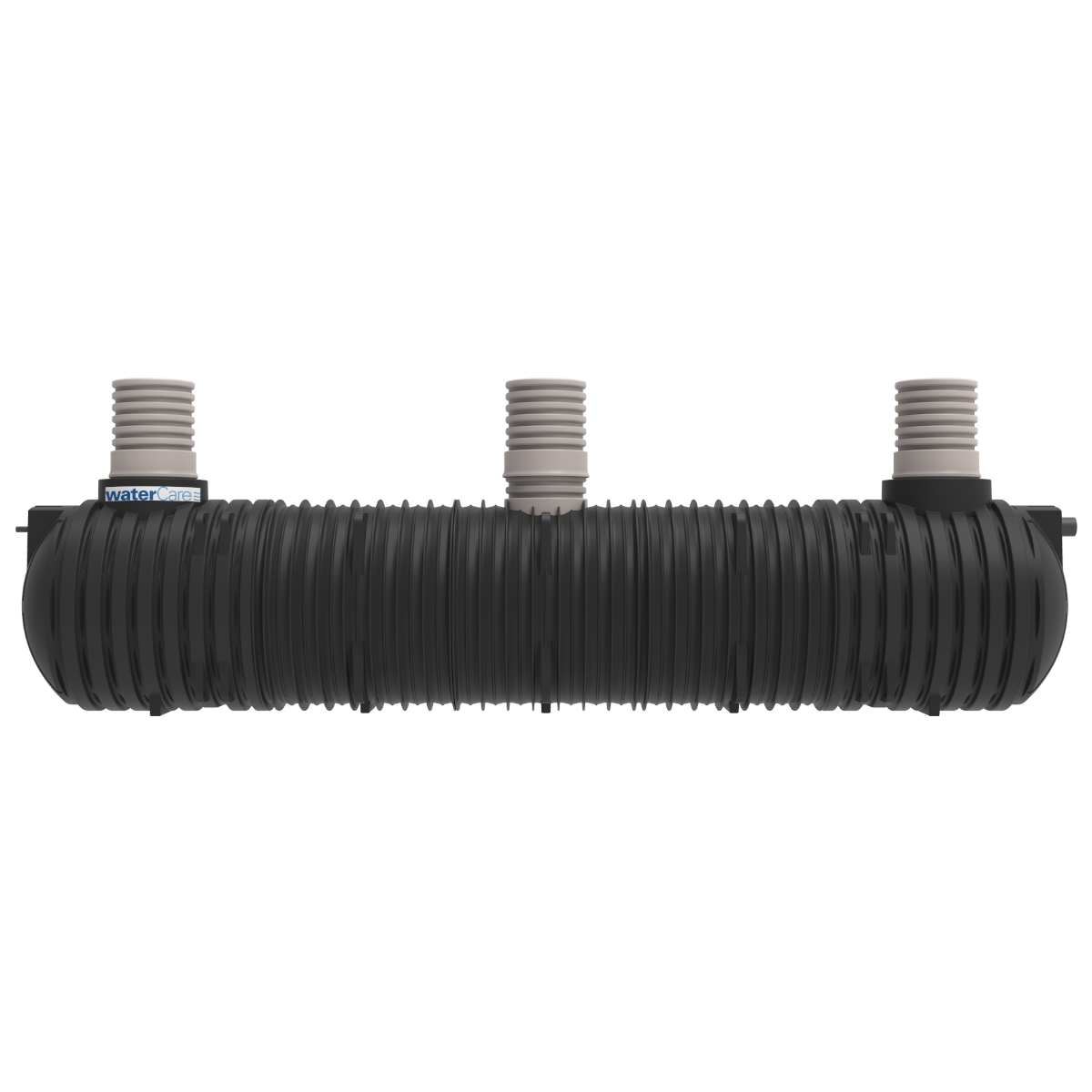
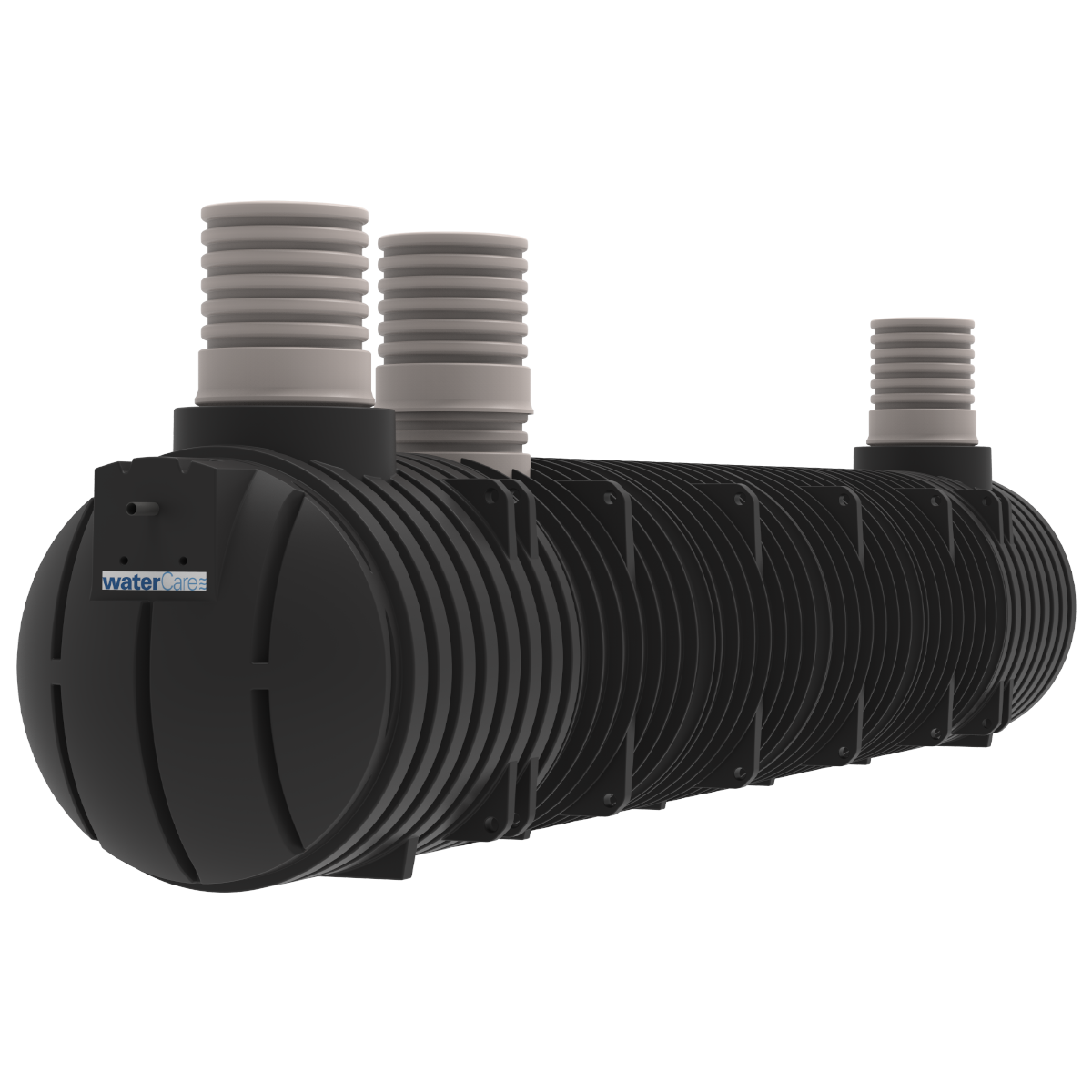
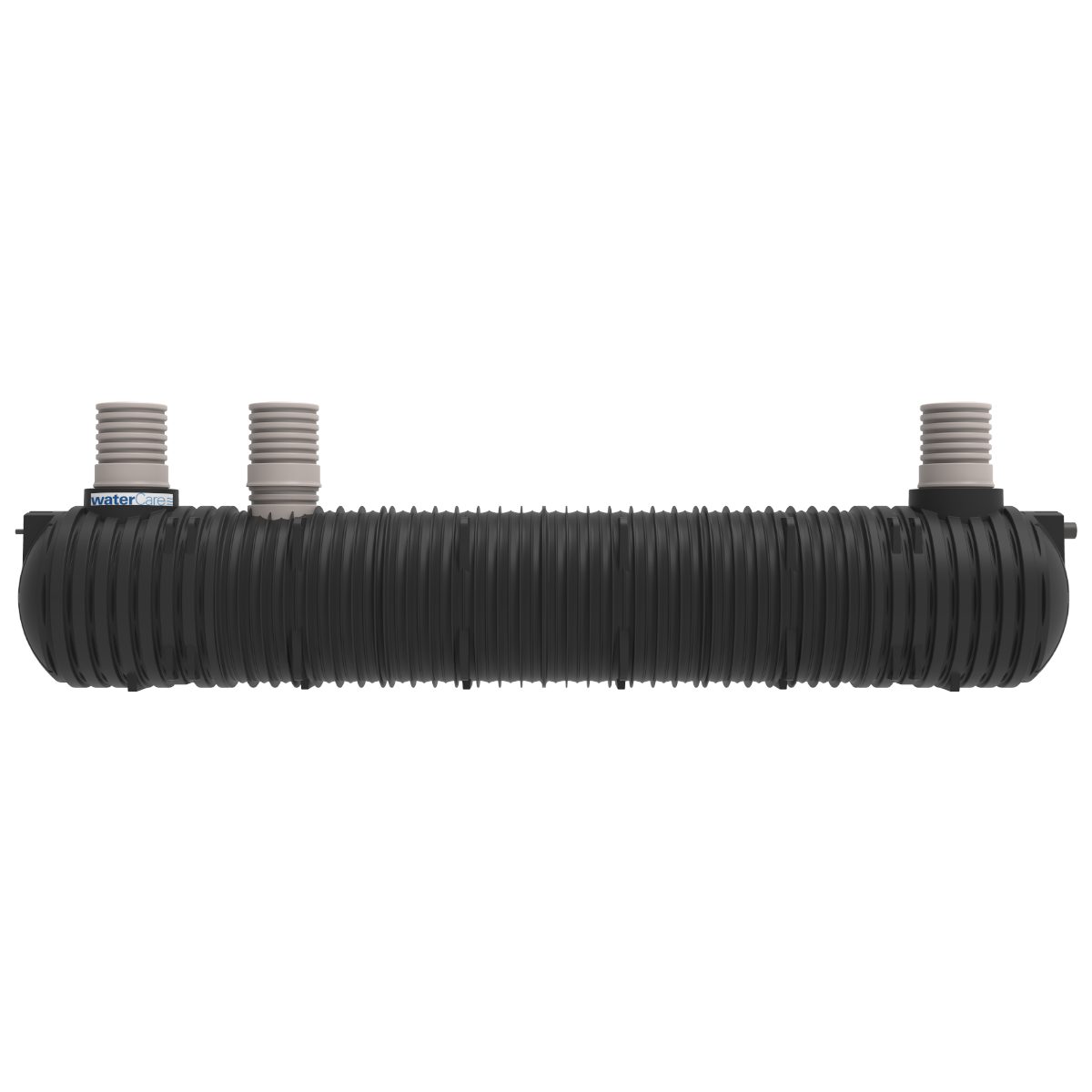
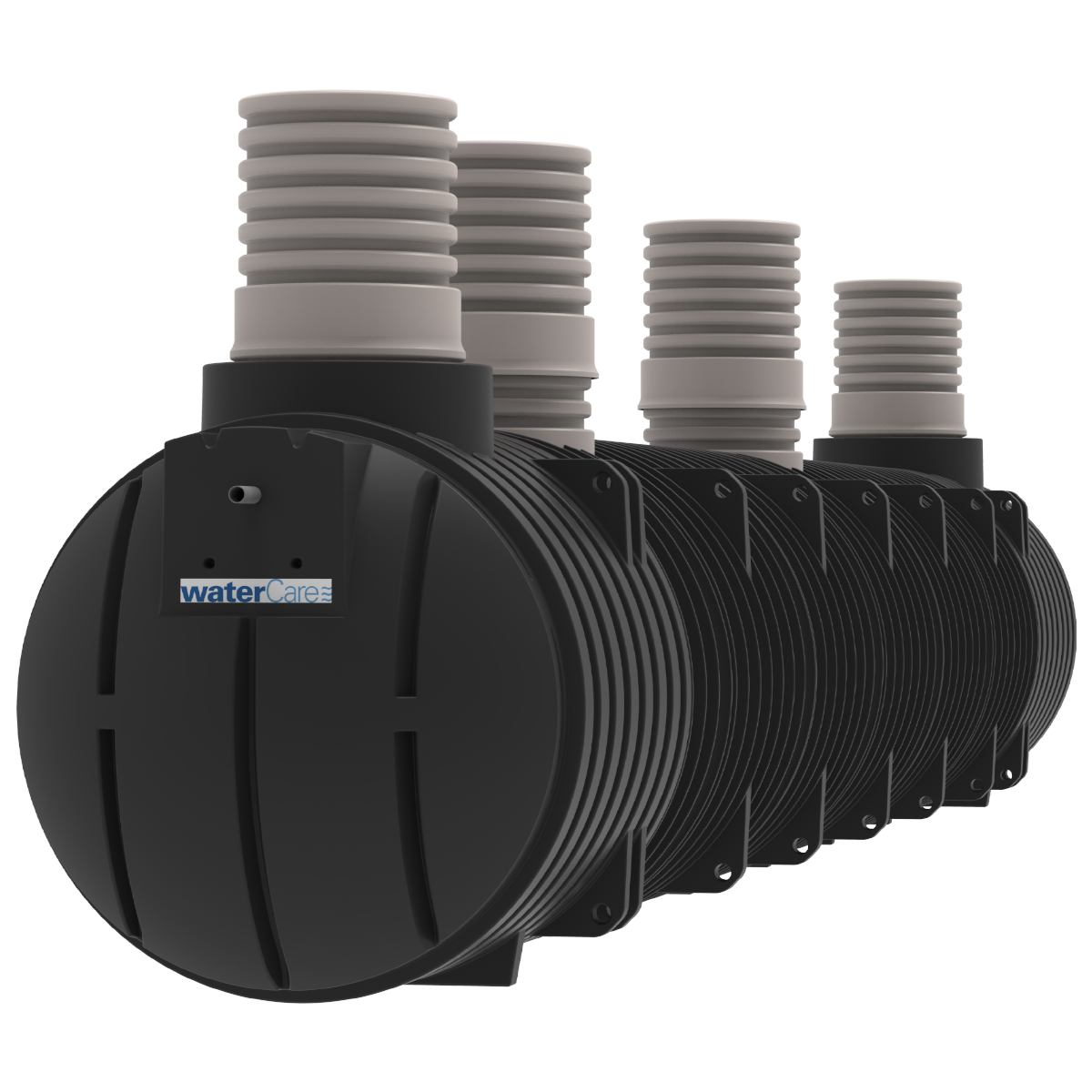
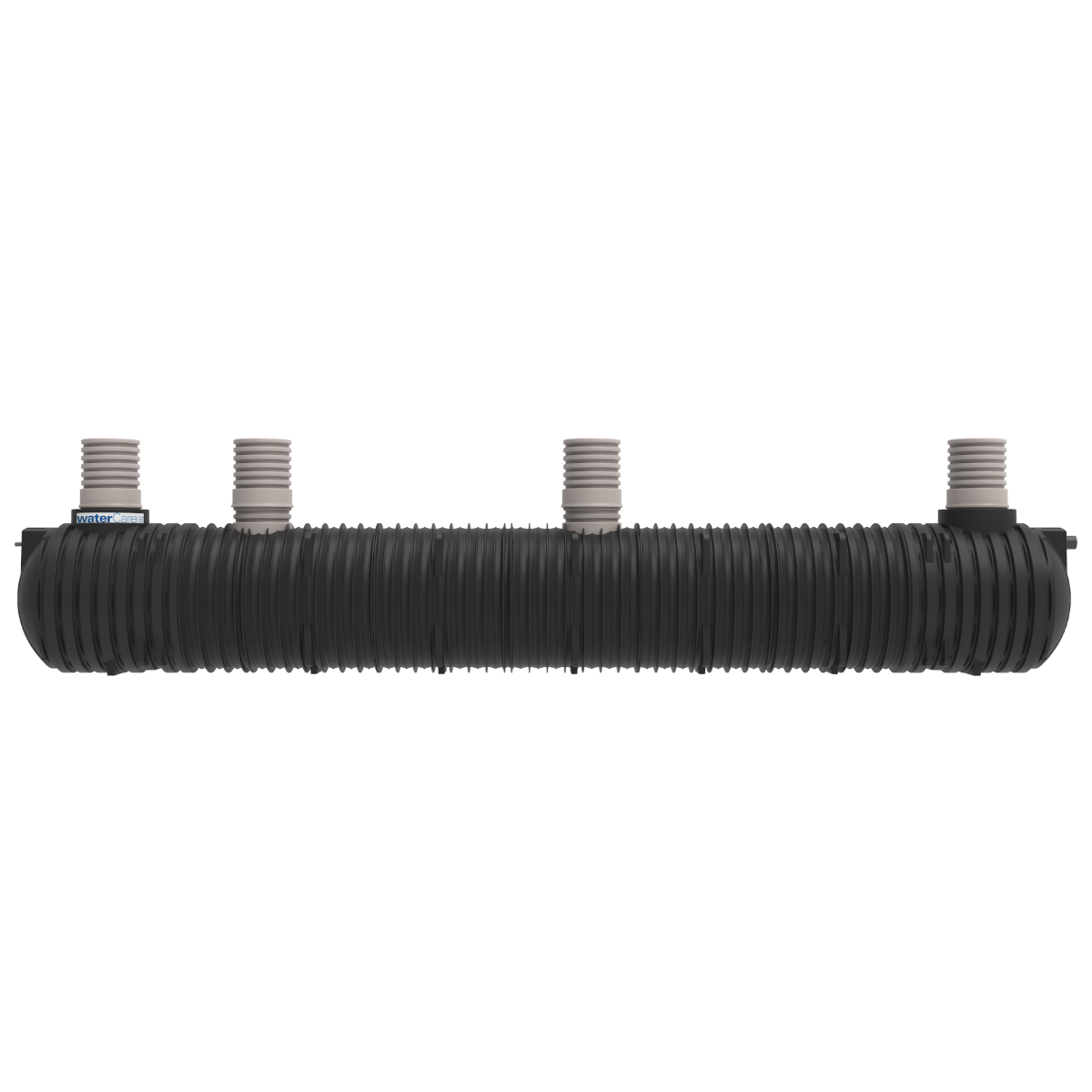
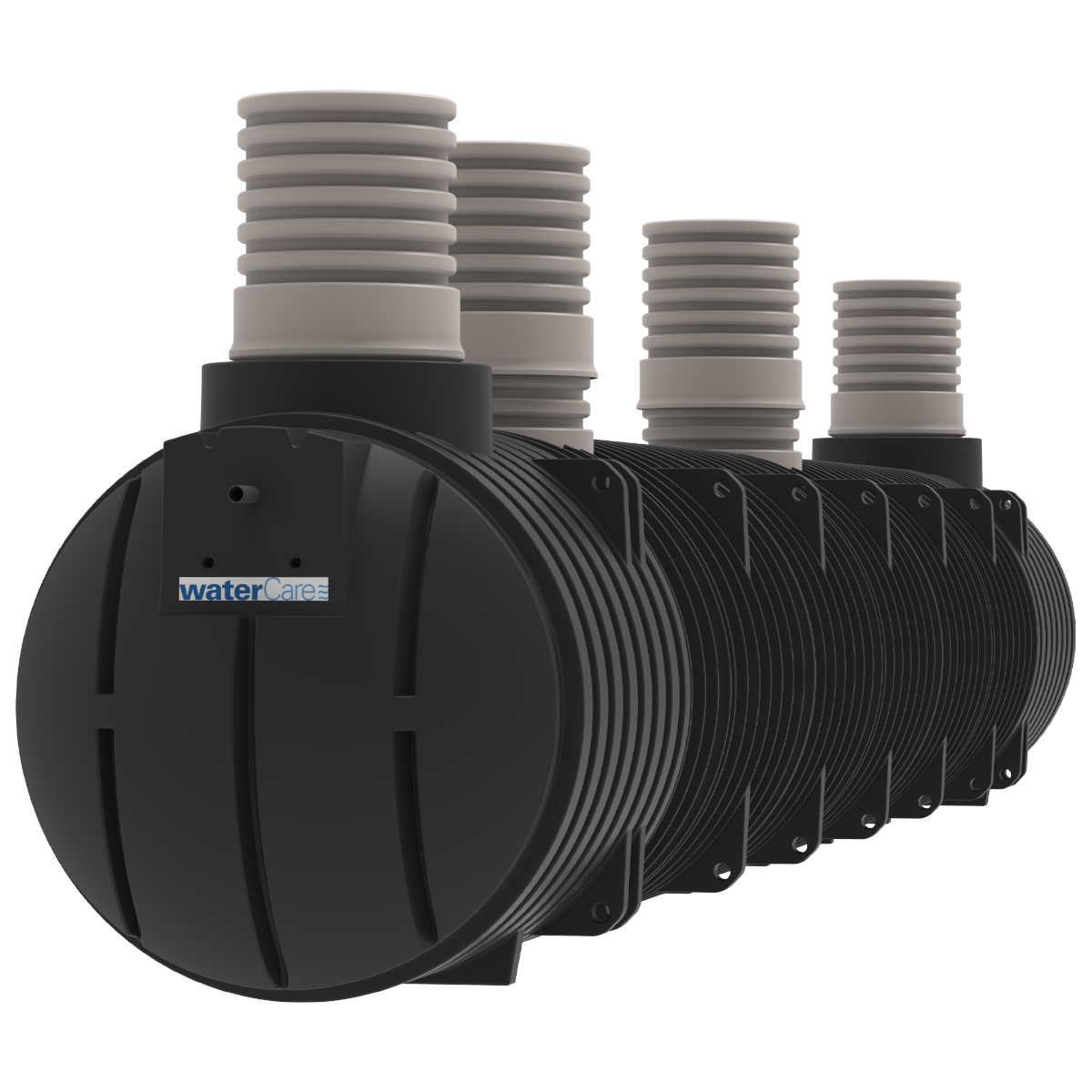
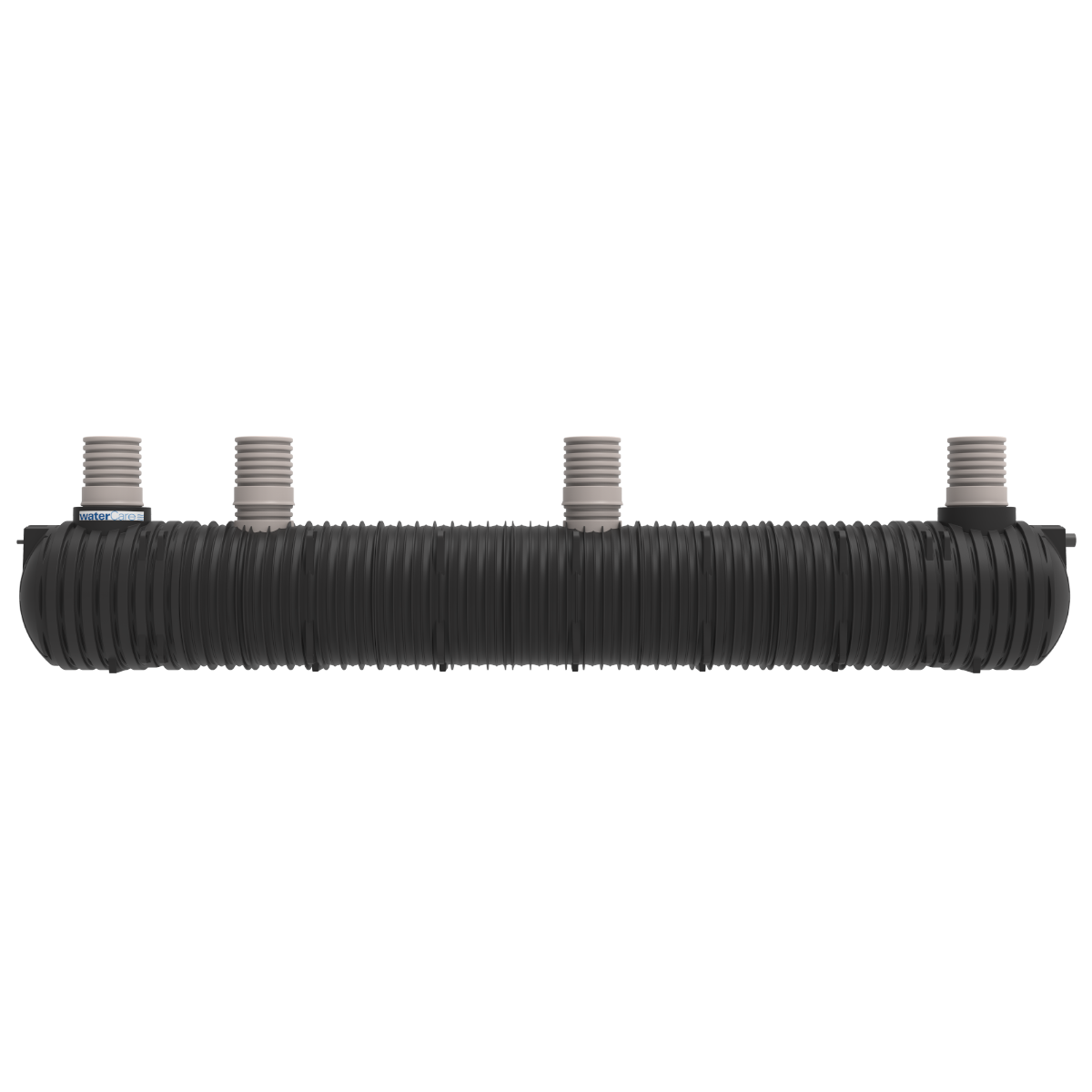
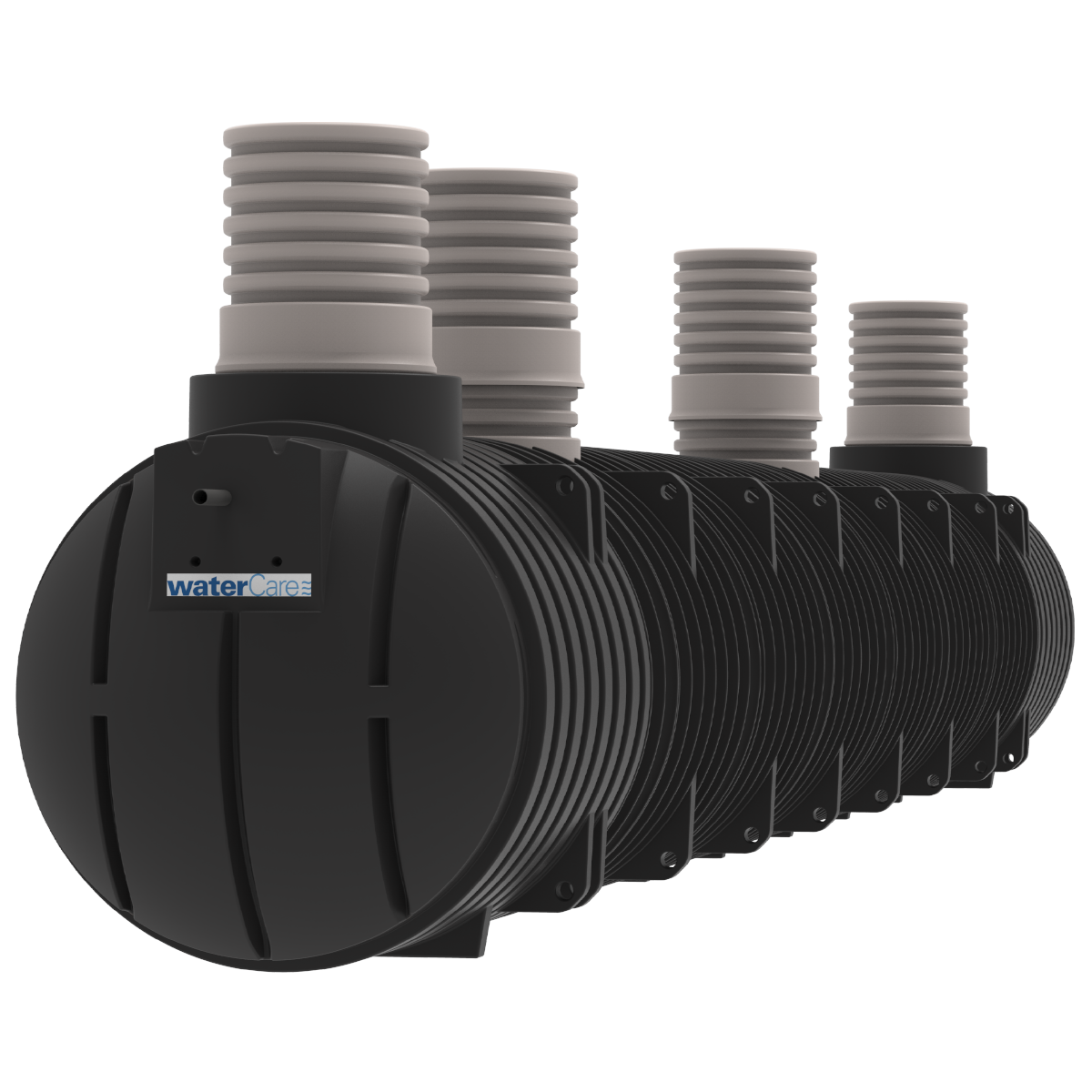
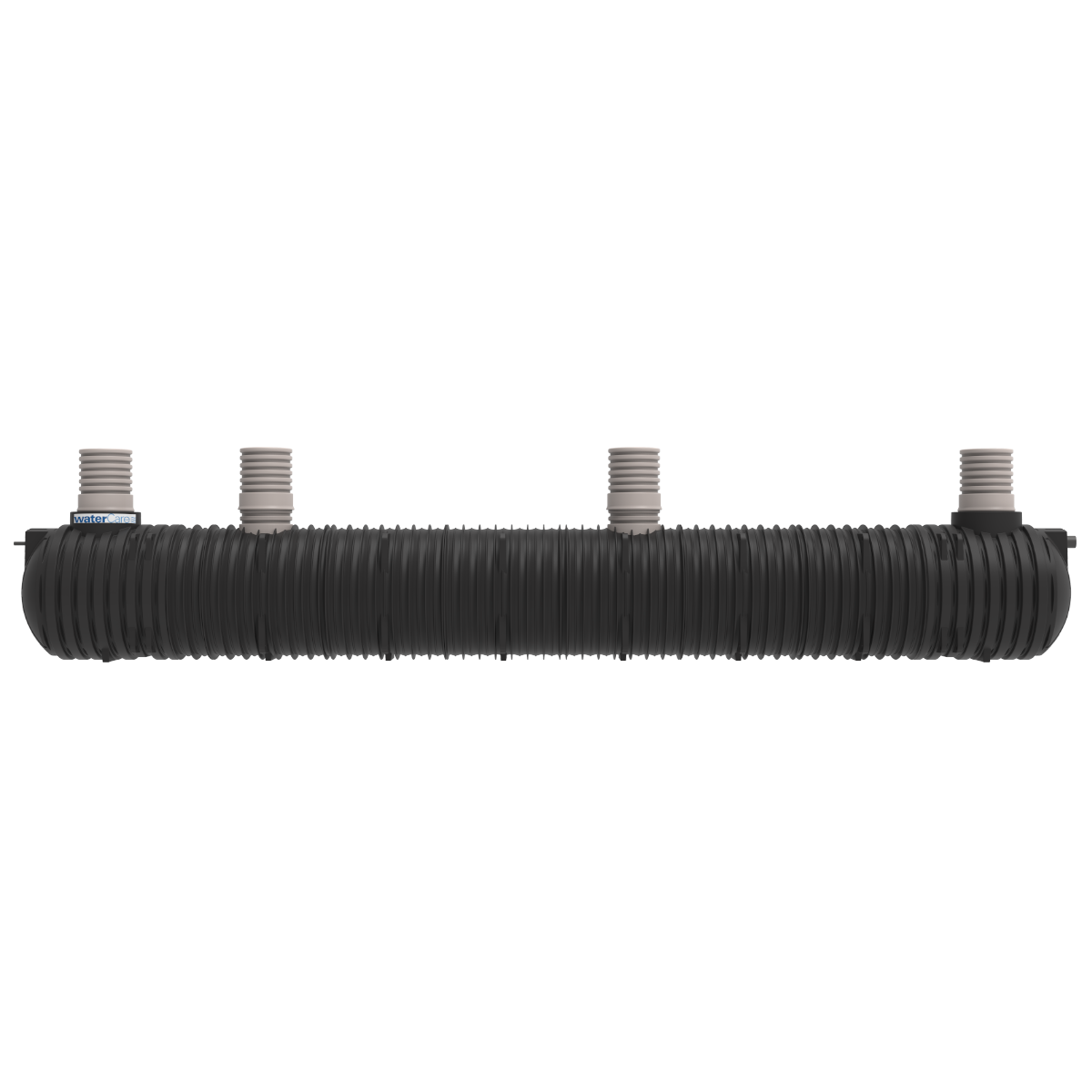
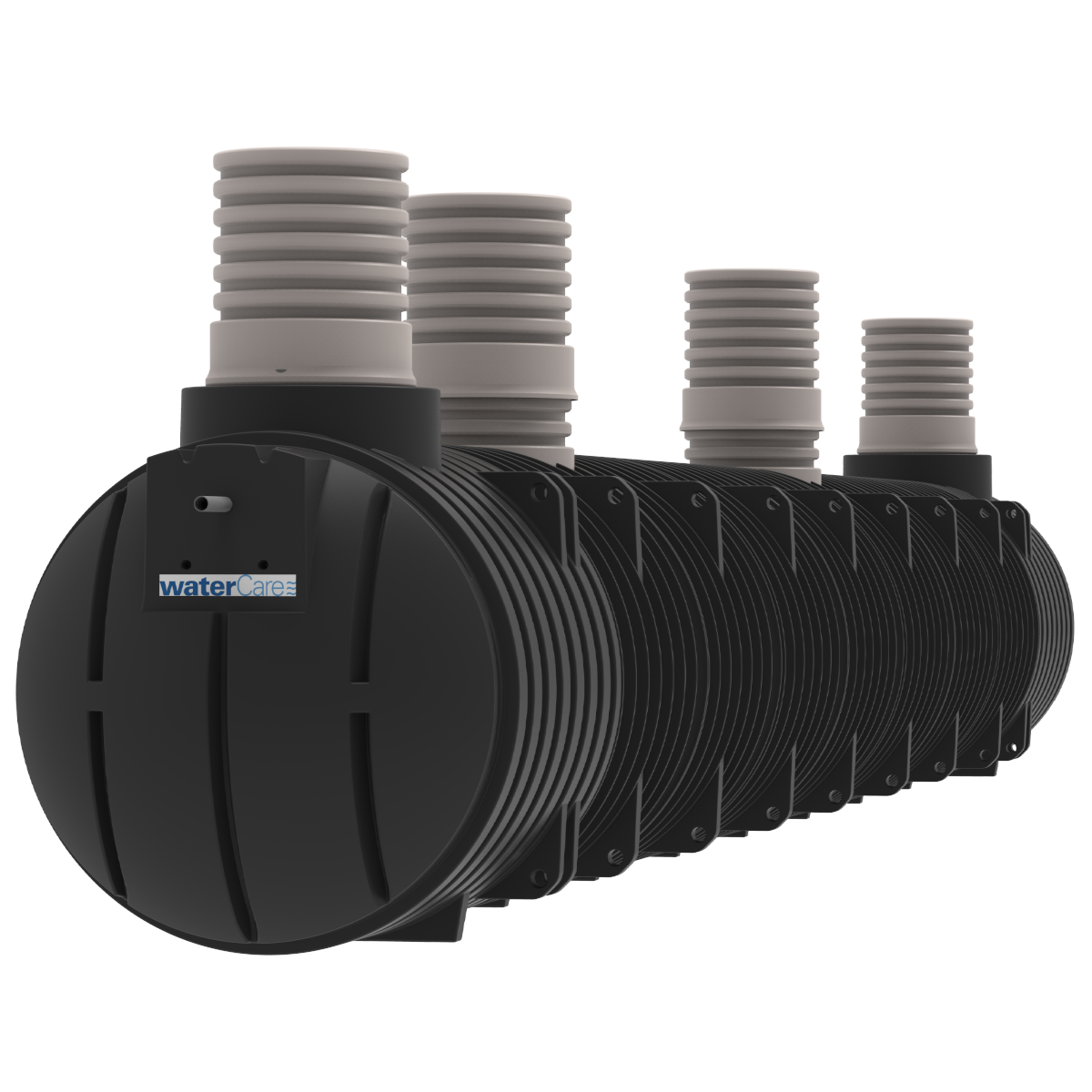
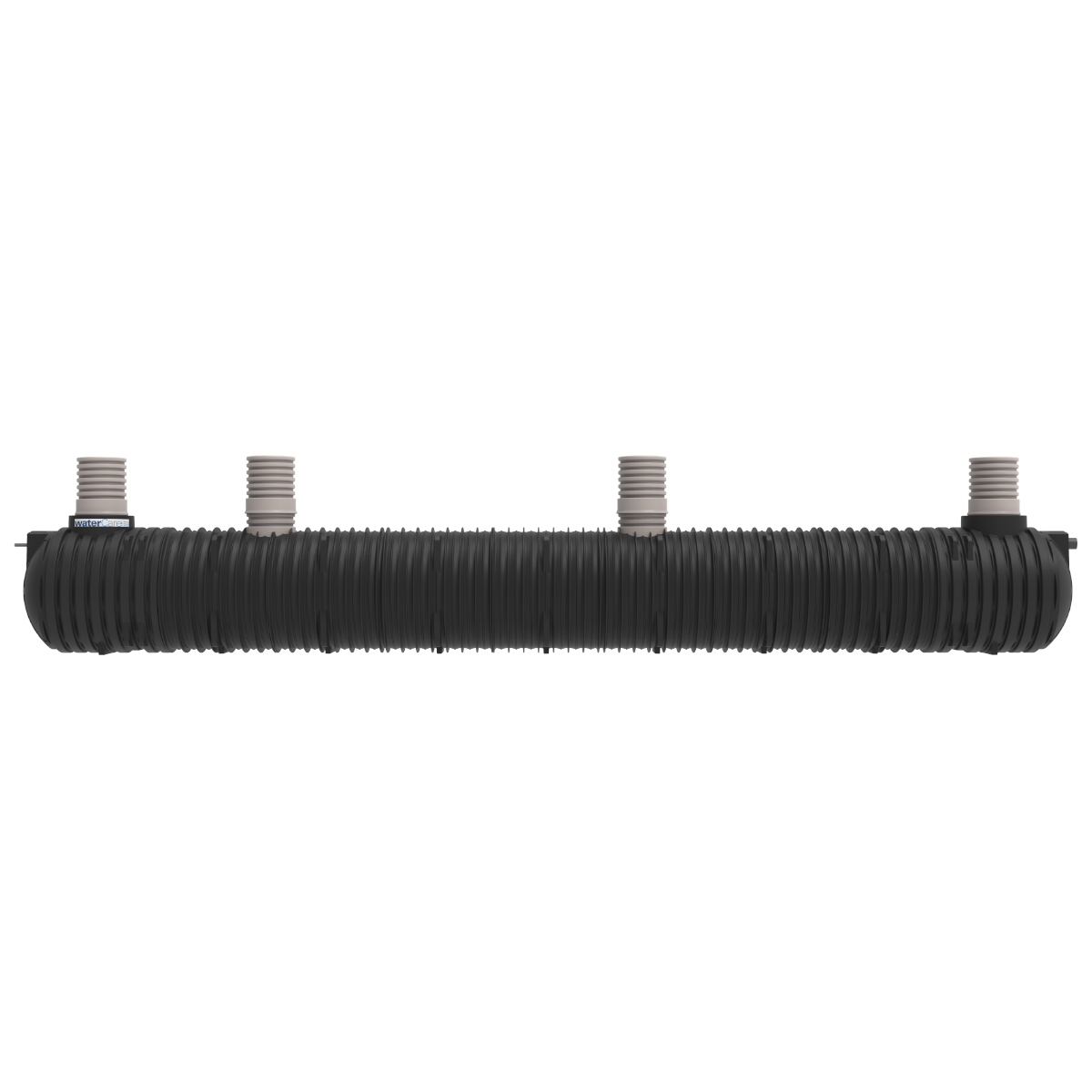
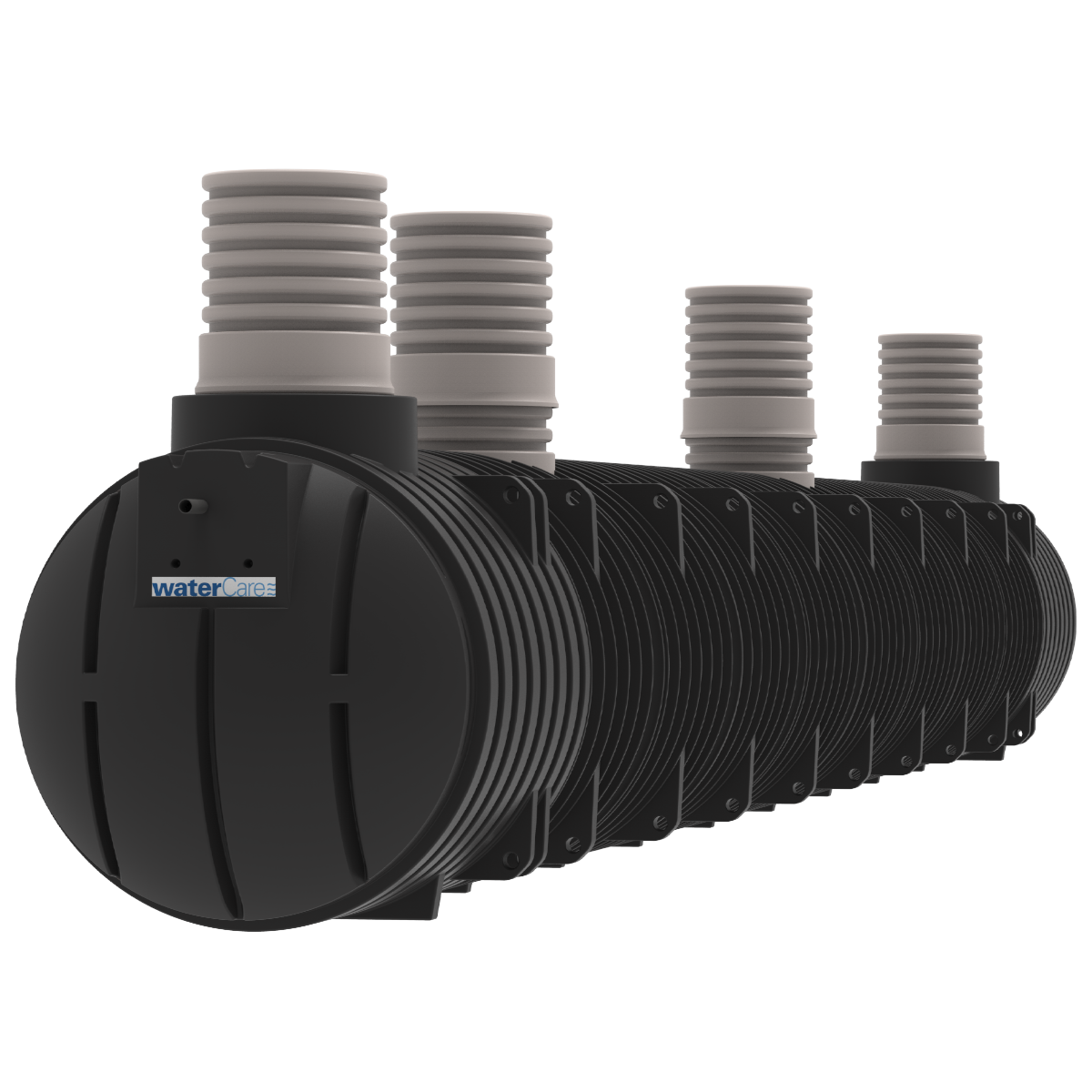
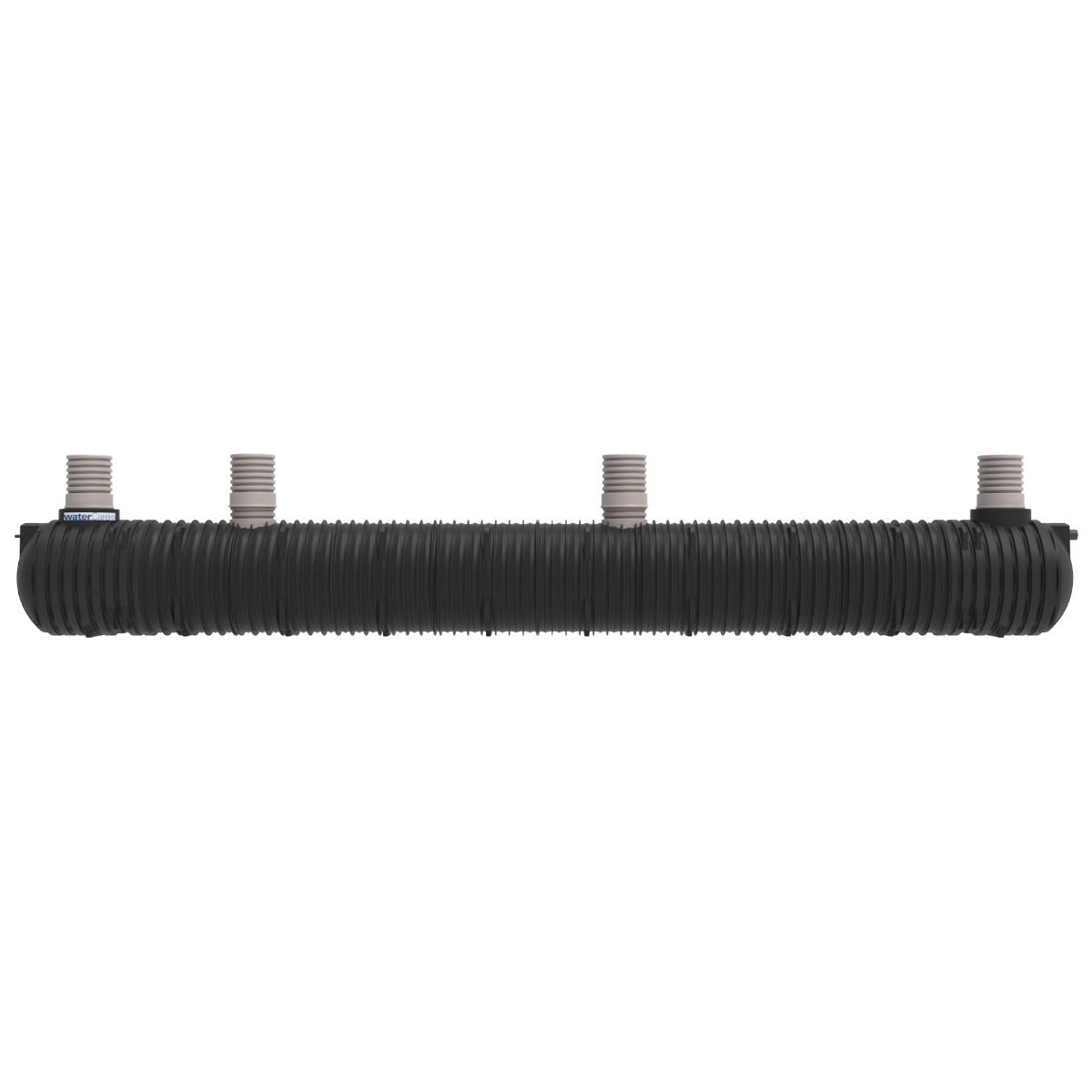
A septic tank, also called a settlement tank or sedimentation tank, is an essential solution for managing wastewater in areas without connection to a public sewer system, such as rural homes, summer cottages, and allotments.
The tank separates solid waste from water, allowing the clear water to seep into the ground or flow to a nearby lake, stream, or sea, while the sludge remains in the tank. When the tank fills up, it must be emptied by a sludge suction truck, which transports the waste to a treatment plant where it is either incinerated, landfilled, or recycled.
Proper maintenance of your septic tank ensures environmental safety and trouble-free wastewater management in areas without public sewage.
×
We help improve the environment
At Watercare, we have specialized for more than 20 years in manufacturing products to improve the environment in the Danish fjords, waterways and other places that can benefit from clean wastewater. In our product range you will therefore also find different types of quality-assured sedimentation tanks that separate the solids from the wastewater so that the water that is discharged does not pollute our environment.
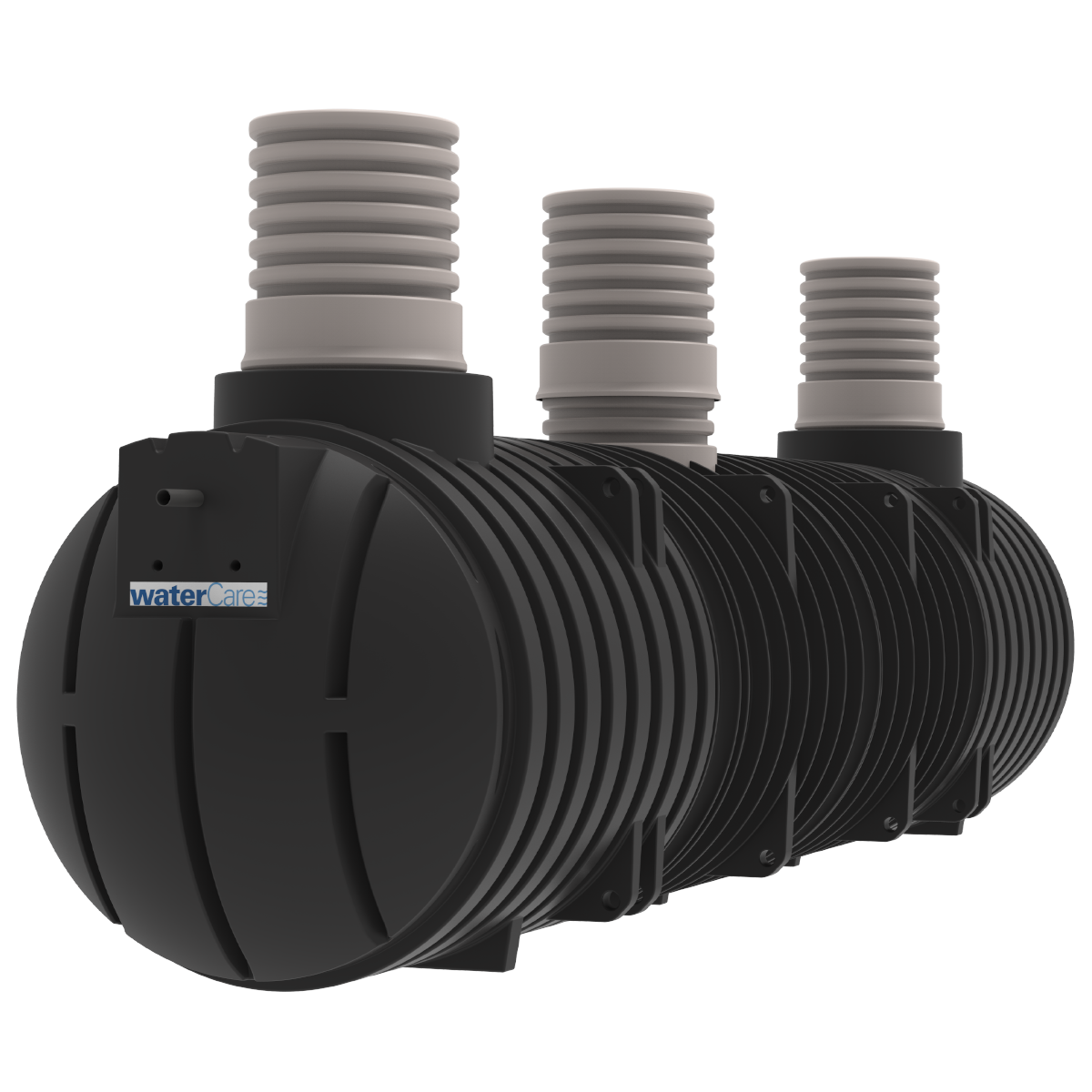
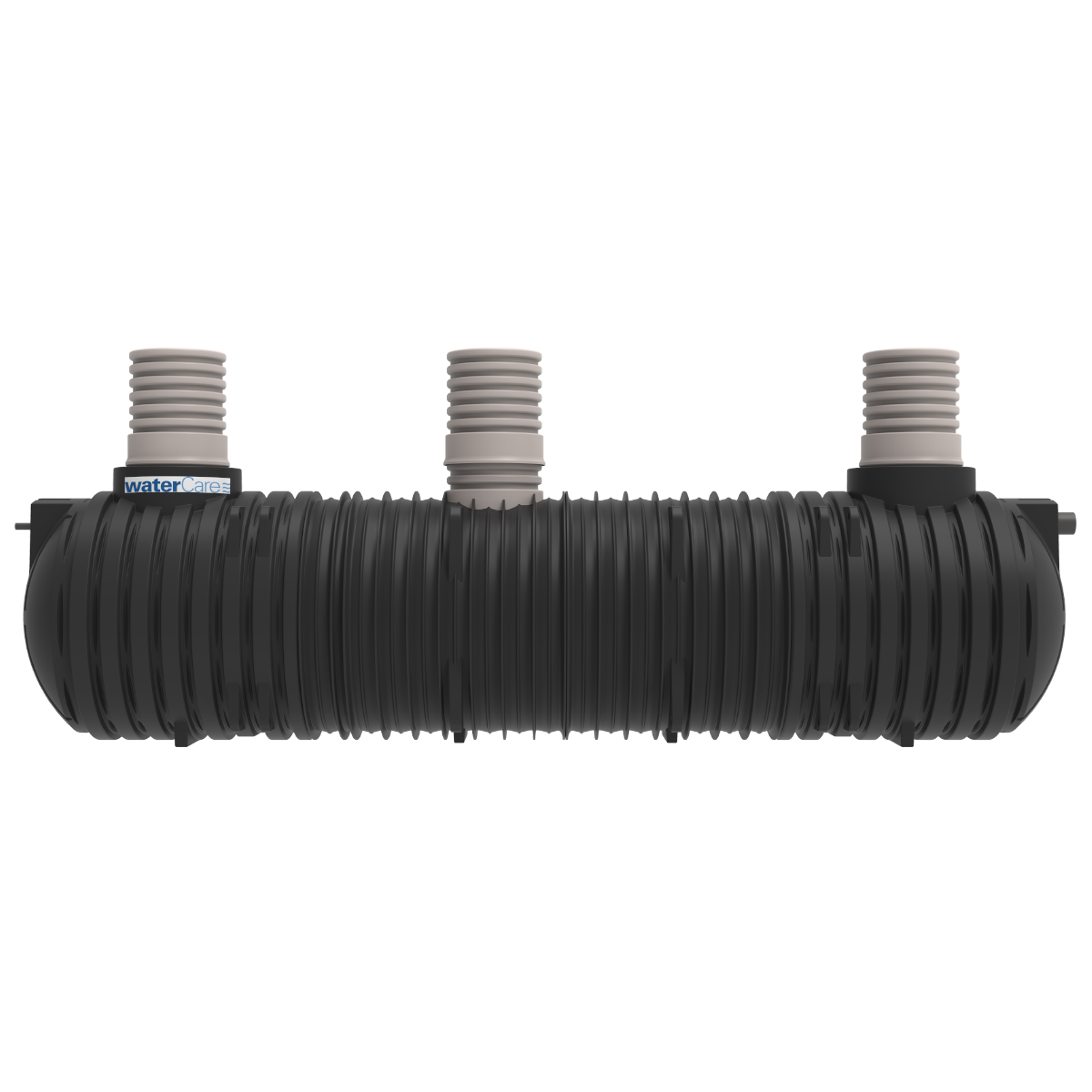
We sell several different types of tanks, including 3-chamber tanks that offer effective separation and treatment of wastewater. On this page you will also find other tank types in different sizes that can meet different needs and requirements in relation to wastewater management. We sell tanks in sizes from 5 PE and up to 800+ PE, so with us you can find a tank that matches the needs in the vast majority of private as well as commercial buildings.
For pressure and gravity
In our product catalog you will find sedimentation tanks for pressure and gravity , both of which are used to separate solids from liquids. The difference between the two tank types lies in the way in which the separation is achieved. In pressure settling, compressed air from a pump is used to separate the solids and impurities from the wastewater. In this type of tank, the pressure helps push the solids to the bottom of the tank, after which they can be collected and removed. In the other type of tank, gravity (here called gravity) is used to separate the solids from the water. Such a tank is often designed with a bottom that helps push the solids downwards, so that the liquid can flow towards the top of the tank. Which type of tank you should choose is determined by several different factors, and with us you always have the opportunity to book a meeting where we can together discover which type of tank suits your needs.
Tested and legally required CE mark
No matter which type of tank you choose from our range, you can be sure that the quality is up to par. Our tanks have all undergone extensive testing at the Danish Technological Institute's Pipe Center, and they are all legally CE marked, so they meet the applicable European standards and directives in the field.